SCROLL DOWN for latest openings, local events, market trends and real estate updates.


Oct. 30, 2026

Lincoln Square Estate Sales: Timing & Strategy

Selling an estate property in Lincoln Square requires coordinating probate authority, building-specific rules like flip taxes, and Manhattan's seasonal market cycles. The right timing and pricing strategy depend on whether you're selling a co-op or condo, the estate's carrying costs, and current 2026 market conditions in the neighborhood.

Jeff Cohen

What is the best timing and strategy for an estate sale in Lincoln Square, Manhattan?

Selling an estate property in Lincoln Square means managing three moving parts at once: the legal process of establishing executor authority through New York's Surrogate's Court, the building-specific rules of a co-op or condo, and a neighborhood market that showed meaningful price swings between March and May 2026. Get the sequencing right and you protect the estate's value. Rush it or ignore any one layer and you risk delays, a lower price, or a deal that falls apart at the board.
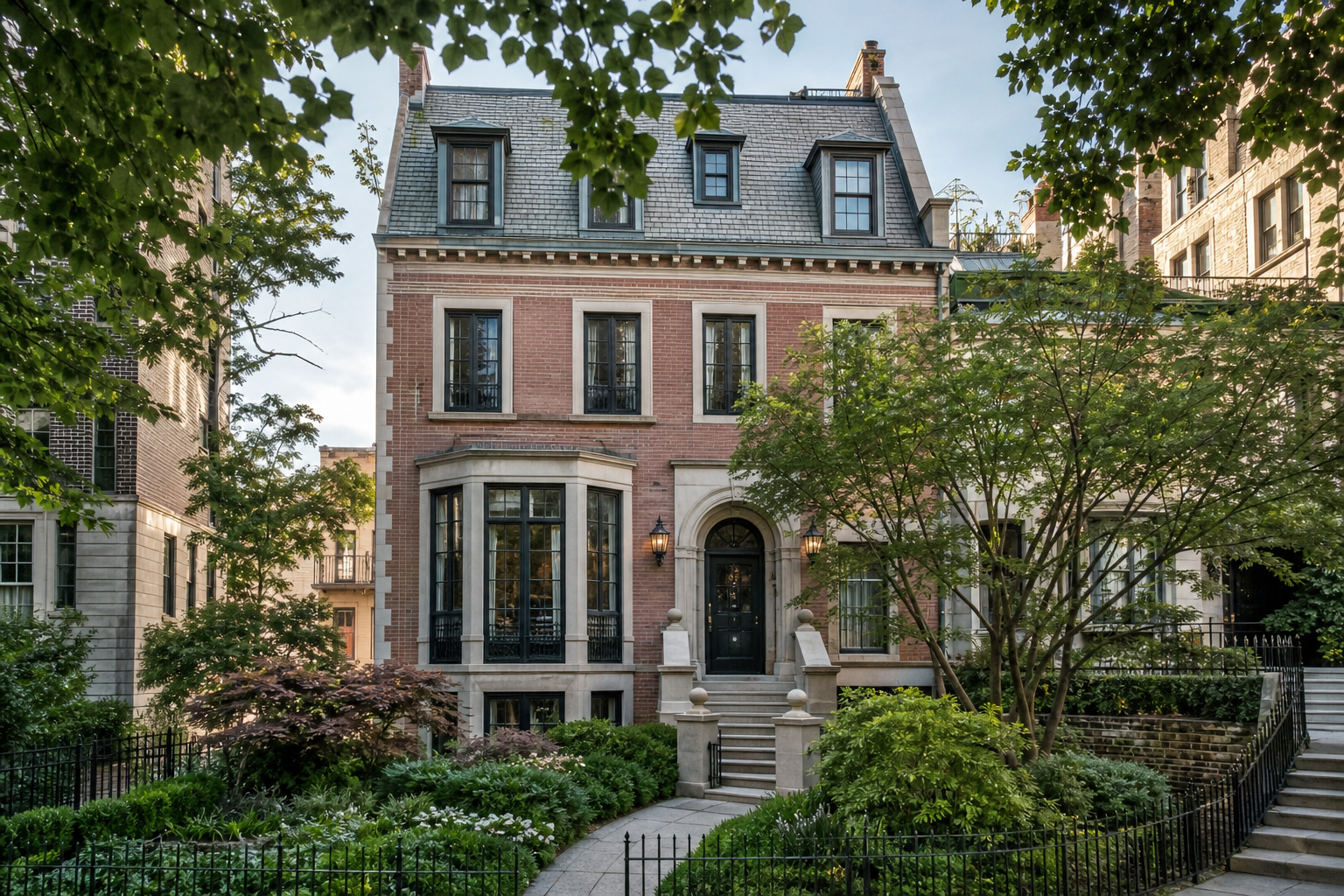
Lincoln Square

Start With What You Can Control: Legal Authority and Property Prep

Before you price anything or talk to a buyer, the executor or administrator needs to have letters testamentary or letters of administration in hand from the Surrogate's Court. That document is what authorizes you to sign a contract. Without it, you can market the property informally, but you cannot legally commit to a sale.

In my experience, this is where estate timelines most often slip. Families assume probate moves faster than it does, or they underestimate how long it takes to coordinate among multiple heirs. Local attorneys and brokers in Manhattan commonly describe the window from initial probate filing to signed letters as several months, and that clock starts before you even list.

While the legal process is running, use that time productively:

  • Clear personal property from the unit. Buyers in Lincoln Square often see estate apartments as renovation opportunities, but a cluttered space makes it harder for them to visualize value.
  • Address deferred maintenance. Basic repairs and a professional cleaning reduce perceived risk and tend to keep the buyer pool broader.
  • Pull the building's governing documents. For a co-op, you need the proprietary lease, house rules, and any board resolutions that govern flip taxes, move-in and move-out fees, and application requirements. For a condo, confirm the right-of-first-refusal process and any capital contribution requirements. Your attorney and the managing agent are the right sources here.

The flip tax question: get the answer in writing before you set a price

If you're selling a co-op in Lincoln Square, the flip tax is one of the first things I tell estate sellers to nail down. A flip tax is not a government charge. It's a building-level transfer fee set by the co-op's board and memorialized in the proprietary lease or house rules. As RegWatch NYC explains in its transfer tax calculator guide, these fees vary sharply by building. Some are calculated per share, which can be significant on larger apartments. Others are a percentage of the sale price, which becomes more material at Lincoln Square's current price levels.

Who pays the flip tax is also building-specific and contractually negotiable. There is no citywide rule that automatically assigns it to the seller or the buyer. Confirm the structure in writing with the managing agent, then decide before listing whether you'll absorb it, ask the buyer to cover it, or treat it as a negotiating chip. That decision should feed directly into your pricing.

Co-op vs. Condo: The Timeline Difference Matters for Estates

This distinction shapes everything from your listing strategy to the expectations you set with heirs.

Co-op estate sales in Lincoln Square typically require the buyer to submit a full board application package, including financials and references, followed by a board interview at many buildings. Board approval must happen before closing can be scheduled. If the board meets monthly, a single missed cycle adds four weeks to your timeline. From accepted offer to closing, co-op deals in Manhattan commonly run 8 to 14 weeks or longer, depending on board scheduling and how quickly the buyer assembles their package.

Condo estate sales generally involve a right-of-first-refusal review by the condo board or managing agent rather than a discretionary approval interview. That process is more predictable. Condo closings in Manhattan typically run 6 to 12 weeks from accepted offer, all else equal.

For an estate where heirs need a defined timeline, the condo's more predictable closing process is a real advantage. If you're selling a co-op, build in extra buffer when communicating expected timelines to the estate's attorney, the court, and the heirs. Surprises here are the ones that cause the most friction.

What buyers in Lincoln Square expect from estate properties

Buyers in this neighborhood generally approach estate sales as opportunities to acquire a well-located apartment that may need updating, sometimes at a modest discount relative to fully renovated units. Their main concerns are condition, clarity on the closing timeline, and whether personal property will be fully cleared before they take possession.

Setting clear expectations about probate status early in the process, ideally through your attorney communicating directly with the buyer's counsel, prevents deal fatigue. Buyers who feel uncertain about when they'll actually close will either walk or reduce their offer to compensate for the uncertainty.

Pricing and Timing in 2026: What the Lincoln Square Data Actually Tells You

Lincoln Square's 2026 market data is worth reading carefully, because the headline numbers can be misleading if you only look at one month.

According to a neighborhood-level market analysis, the median condo sale price in Lincoln Square in March 2026 was approximately $1.9 million, down roughly 37% year-over-year. By May 2026, a report drawing on PropertyShark data cited by Brick Underground showed the median condo price had risen to approximately $2.2 million, up about 5.5% year-over-year, while the median co-op price in May 2026 reached approximately $1.2 million, a 55% year-over-year jump that analysts attributed partly to thin volume and a concentration of higher-end closings. Total transaction volume in Lincoln Square that month was reported as 69 sales, down about 14.8% year-over-year.

For broader context, the Q2 2026 Manhattan co-op and condo market report based on Miller Samuel appraisal data showed a Manhattan-wide median sales price of approximately $1.25 million, up about 4.2% compared to Q2 2025, with deals above $3 million increasing and overall activity described as resilient.

What this volatility tells me is that no single month's median should anchor your pricing. A 37-point swing followed by a 5.5% recovery in the same property type, within two months, reflects thin sample sizes and a market that's moving. The right approach is to look at multiple months of comparable sales, weigh unit-specific factors like floor, line, renovation level, view, and building reputation, and price based on what similar apartments have actually closed for recently, not what the neighborhood median happened to be in any given month.

Data Point Figure Source / Period
Lincoln Square median condo price ~$1.9M March 2026 neighborhood analysis
Lincoln Square median condo price ~$2.2M (+5.5% YoY) May 2026, PropertyShark via Brick Underground
Lincoln Square median co-op price ~$1.2M (+55% YoY, thin volume) May 2026, PropertyShark via Brick Underground
Manhattan-wide median sales price (co-op/condo) ~$1.25M (+4.2% vs. Q2 2025) Q2 2026, Miller Samuel via Brick Underground
Lincoln Square total sales volume 69 sales (-14.8% YoY) May 2026, PropertyShark via Brick Underground

Seasonal timing: when to list and when to wait

Manhattan's traditional listing seasons are spring (March through May) and fall (September through early November). Both windows typically bring higher buyer traffic and more competitive bidding. Mid-summer, where we are right now in late August 2026, tends to be slower for higher-end properties as buyers and board members travel. Late December and early January are also quieter, though motivated buyers remain active and reduced competition can work in favor of a correctly priced listing.

For an estate sale where the probate process is still running, that actually creates a useful alignment: use the remainder of summer to complete legal prep, clear the property, and gather building documents, then target a fall 2026 listing if the timeline permits. If carrying costs are high or the estate faces pressure to close before year-end, listing now at a price that reflects current market conditions is a reasonable alternative to waiting.

The one thing I'd caution against is waiting for a theoretically better season while the estate accumulates carrying costs and heirs grow impatient. The right season matters, but pricing to the market you're actually in matters more. As I've written about timing decisions for Manhattan sellers, the cost of waiting is real and often underestimated.

Transfer taxes: what executors need to know before closing

Estate sellers in Lincoln Square face the same transfer tax obligations as any Manhattan seller, but fiduciaries need to plan for them explicitly because the filing and payment deadlines are tied to closing, not to the estate's own administrative calendar.

At the city level, the NYC Department of Finance's Real Property Transfer Tax (RPTT) applies to residential transfers including individual co-op apartments and condo units. The rate is 1% of consideration for sales at $500,000 or less, and 1.425% for sales above $500,000. At the state level, the New York State Department of Taxation and Finance imposes a real estate transfer tax computed at $2 for each $500 (or fractional part) of consideration, plus a 1% "mansion tax" when the sale price reaches $1 million or more for residential property. For higher-value properties in New York City, state law adds supplemental tax tiers that apply at $2 million and above, with incremental rates between 0.25% and 2.9% depending on price point.

These taxes layer on top of each other, and RPTT returns and payment are generally due within 30 days of the date of transfer, as noted in RegWatch NYC's RPTT guidance. The executor and the estate's attorney need to plan for those obligations at closing, not after. Which party bears which tax is ultimately a contract term, and the allocation is commonly negotiated. Confirm the specifics with your attorney and tax advisor before you sign anything.

For context on how NYC property taxes are structured for co-op and condo owners, the NYC Department of Finance property tax rate schedule shows that co-op and condo units typically fall under Class 2, with rates published annually. Individual tax bill estimates require professional review.

Every estate sale has its own combination of property type, price point, building rules, and heir dynamics. The only way to know what your specific situation looks like is to work through it with an attorney and an agent who knows this neighborhood. That's exactly the kind of step-by-step process I walk estate sellers through before we ever put a price on the door.

Frequently Asked Questions

How does a co-op flip tax work in Lincoln Square, and who pays it when selling an inherited apartment?

A flip tax is a building-level transfer fee, not a government tax. It's set by the co-op's board and written into the proprietary lease or house rules. The structure varies by building: some charge per share, others use a percentage of the sale price. Who pays it, the seller, the buyer, or both, is governed by the building's documents and is negotiable in the contract of sale. Before listing an inherited co-op in Lincoln Square, confirm the flip tax structure in writing with the managing agent so you can factor it into your pricing strategy.

What is the difference between selling an estate co-op vs. a condo in Lincoln Square?

The biggest practical difference is closing timeline predictability. A co-op requires the buyer to submit a full board application, often followed by an interview, and closing can't be scheduled until the board approves. That process can add weeks if the board meets infrequently. A condo typically involves a right-of-first-refusal review rather than a discretionary approval, which gives estate sellers a more defined closing window. For an estate where heirs need a predictable schedule, a condo is generally easier to manage than a co-op, all else equal.

When is the best time of year to list an estate sale in Lincoln Square?

Spring (March through May) and fall (September through early November) are Manhattan's strongest listing seasons, with higher buyer traffic and more competitive bidding. Mid-summer and the holiday period tend to be slower. That said, seasonal timing is only one factor. If the estate faces carrying cost pressure or a court deadline, listing in a slower season at a price that reflects current market conditions is often better than waiting. The right answer depends on where the probate process stands and what the estate's carrying costs look like.

What NYC and New York State transfer taxes apply when selling a Lincoln Square apartment from an estate?

At the city level, the NYC Real Property Transfer Tax applies at 1% for sales at or below $500,000 and 1.425% for sales above that threshold, covering both co-op and condo transfers. At the state level, New York imposes a real estate transfer tax of $2 per $500 of consideration, plus a 1% mansion tax when the sale price reaches $1 million or more. For higher-priced properties in New York City, additional state supplemental tax tiers apply starting at $2 million. These taxes layer on top of each other, and RPTT returns are generally due within 30 days of the transfer date. Confirm your specific obligations with your estate attorney and tax advisor before closing.

How does the board approval process affect the timeline for a Lincoln Square co-op estate sale?

Board approval is the single biggest variable in a co-op estate sale timeline. After a buyer's application is submitted, the board typically reviews it at its next scheduled meeting, which may be monthly or less frequent. If the application is incomplete or the board has questions, another cycle can pass before approval. From accepted offer to closing, co-op deals in Manhattan commonly run 8 to 14 weeks or longer. Estate sellers should build that buffer into any timeline communicated to heirs, the estate's attorney, and the court.

The Bottom Line for Lincoln Square Estate Sellers

A successful estate sale in Lincoln Square comes down to sequencing: get the legal authority in place, understand your building's specific rules before you price, and align your listing timing with both the market cycle and the estate's own constraints. For a step-by-step look at how the selling process works in Manhattan more broadly, my guide to selling a Manhattan apartment walks through the key stages in detail.

If you're an executor or heir working through a Lincoln Square estate sale and want to talk through the timing and strategy for your specific property, call me directly at (917) 719-1277 or get a home valuation for the property here. I'll help you build a plan that protects the estate's value and keeps the process as straightforward as possible.

About Jeff Cohen

Jeff Cohen is a licensed real estate salesperson based in Manhattan, specializing in co-ops, condos, and estate sales across Lincoln Square, Sutton Place, Midtown East, the Upper East Side, and Tribeca. He brings deep neighborhood knowledge and a calm, step-by-step approach to complex transactions, including estate and probate sales.

Jeff Cohen, Licensed Real Estate Salesperson · 9177191277

Equal Housing Opportunity. Jeff Cohen, Licensed Real Estate Salesperson, License #10401257834, regulated by REBNY and NYS DOS. This article is provided for general informational purposes only and does not constitute legal, tax, or financial advice. Readers should confirm their specific costs, tax obligations, and transaction details with their attorney, tax advisor, lender, or closing officer.


Posted in Real Estate
Oct. 29, 2026

Co-op vs. Condo on the Upper East Side

Jeff Cohen

On the Upper East Side, co-ops dominate the inventory and offer lower entry prices, while condos cost more but give buyers greater flexibility for subletting and investor use. The right choice depends on your finances, lifestyle, and tolerance for board approval.

Co-op or condo on the Upper East Side: which is the better fit?

On the Upper East Side, co-ops make up the bulk of available inventory and typically come in at a significantly lower price point than condos, but they come with stricter board approval, subletting restrictions, and building-specific fees like flip taxes. Condos cost more, especially in newer luxury towers, but offer more flexibility for investors, pied-à-terre buyers, and anyone who wants to rent their unit down the road. The right answer depends on your financial picture, how you plan to use the apartment, and how much process you're willing to navigate.

Co-op vs. Condo on the Upper East Side

What the numbers actually look like on the Upper East Side

The price gap between co-ops and condos on the Upper East Side is substantial, and it's worth understanding before you start touring.

The most recent neighborhood-level breakdown comes from Urban Digs Manhattan market data for December 2025, which shows the Upper East Side condo median at $2.1 million versus the co-op median at $1.089 million. That's a gap of more than $1.01 million at the median. In that same quarter, there were 344 co-op sales versus 197 condo sales in the neighborhood, confirming that co-ops still account for the majority of transactions even as condo prices command a premium.

For broader context, Douglas Elliman's Q4 2025 Manhattan Sales report puts the Manhattan-wide co-op median at $825,000 (up 3.8% year over year) and the condo median at $1,661,000 (essentially flat, down 0.2%). By Q2 2026, the blended Manhattan median across both property types reached $1,250,000, up 4.2% year over year, with co-ops citywide around $895,000 and resale condos near $1.75 million, according to a July 2026 market commentary drawing on Miller Samuel research.

As a neighborhood snapshot, a mid-August 2026 Upper East Side market guide puts current medians at roughly $1,575,000 for condos and $1,220,000 for co-ops, with an overall neighborhood median around $1.4 million. These are portal-level market color figures, not official MLS statistics, but they're consistent with the directional trend: condos cost more, often significantly more, and that gap has persisted across multiple data points over the past two years.

Data Source and Period Upper East Side Co-op Median Upper East Side Condo Median
Urban Digs December 2025 (neighborhood-level) $1,088,750 $2,100,000
Douglas Elliman 2024 neighborhood data $999,000 $2,583,219
Portal market color, mid-August 2026 $1,220,000 $1,575,000

Sources: Urban Digs December 2025 neighborhood data; Douglas Elliman 2024 neighborhood report. All figures are medians and should be used for directional context, not as a precise estimate of any individual unit's value.

The activity data tells an equally interesting story. According to a Q1 2026 brokerage summary, the Upper East Side held 26.8% of all Manhattan co-op sales that quarter, making it the single largest hub of co-op activity in the city, even as Upper East Side co-op volume was down 12.3% year over year. This neighborhood has more co-op inventory and more co-op transactions than anywhere else in Manhattan, and that shapes the entire buying experience here.

The real lifestyle differences between co-ops and condos

Price is only part of the picture. Here's what actually changes about your day-to-day experience and your options as an owner.

What you actually own

When you buy a condo, you receive a deed to the unit and an undivided interest in the common elements. It's real property in the traditional sense, with title insurance, recording with the NYC Office of the City Register, and the standard deed-based closing process.

A co-op works differently. The building is owned by a corporation, and when you buy, you're purchasing shares in that corporation along with a proprietary lease for your unit. There's no deed. Your attorney will review stock certificates, the proprietary lease, board minutes, building financials, and the underlying mortgage on the building itself. I always walk my buyers through this distinction early, because it changes how you think about the purchase, the financing, and the risks involved.

In Manhattan, both co-op and condo purchases are attorney-driven transactions. You'll want a New York-licensed real estate attorney on both sides of the deal regardless of property type, but the co-op review process is meaningfully more involved.

Board approval: what it actually feels like

This is the part that surprises buyers who are new to Manhattan. Co-op boards can approve or reject a buyer without having to state a reason, as long as they're not violating NYC Human Rights Law or federal Fair Housing protections. They review comprehensive board packages: tax returns, bank statements, employment history, reference letters, and sometimes letters of explanation about your lifestyle or finances. The process takes weeks, and the outcome is never guaranteed.

Condo boards operate differently. They typically hold a right of first refusal, meaning they can either let the sale proceed or purchase the unit themselves at the contract price. Outright buyer denials are rare. For buyers who want certainty, or who have unconventional income structures, self-employment, or significant assets outside traditional W-2 income, condos are often the more predictable path.

The board application process is where deals get made or lost. I coach every buyer I work with on how to position their package before we even submit it, because how you present your financials and your intentions as an owner matters as much as the numbers themselves.

Subletting, pied-à-terre use, and investor flexibility

If you're buying as a pied-à-terre, plan to rent the unit at some point, or want to keep the apartment as an investment after you move, a condo is almost always the better fit on the Upper East Side. Most co-ops restrict subletting significantly, and many prohibit pied-à-terre use entirely or require board approval before you can use the unit as a secondary residence.

Condos are far more flexible on this front. Rental policies vary by building, but investor ownership and subletting are generally permitted, which is why condos attract a broader pool of buyers and tend to hold value well in that segment of the market.

Carrying costs and the flip tax

Co-op maintenance charges bundle several costs together, including your share of the building's property taxes, the underlying mortgage (if any), and operating expenses. Condo owners pay common charges and their own real estate taxes separately, which can make the monthly carrying cost feel higher on paper even when the purchase price is lower.

Co-ops also frequently have a flip tax, which is not a government-imposed tax. It's a transfer fee set by the co-op corporation itself, defined in the building's proprietary lease or bylaws. Structures vary: some are calculated per share, some are a flat fee, and some are a percentage of the gross sale price or profit. Who pays, buyer or seller, is addressed in the building's governing documents but is often negotiable in the contract. Before you make an offer on any Upper East Side co-op, your attorney needs to pull the building's documents and confirm exactly how the flip tax works in that specific building. There is no standard rate across the neighborhood, and the variation is significant.

Where the inventory actually is on the Upper East Side

Co-ops dominate the classic prewar and postwar buildings along Park Avenue, Madison Avenue, Lexington Avenue, and Carnegie Hill. If you want the larger layouts, the prewar details, and the quieter, more residential feel that defines the traditional Upper East Side, you're almost certainly looking at co-ops.

Condos cluster in newer towers, particularly along Third Avenue and avenues closer to the East River, as well as in newer luxury buildings on and just off Park and Madison. Buildings like The Bellemont and The Benson represent the newer condo product in the neighborhood: more amenities, newer finishes, more flexibility, and a higher price per square foot.

For more on what to watch for before you submit an offer on a co-op, I'd point you to my post on 5 things to consider when buying an apartment in a Manhattan co-op. The due diligence process is different enough from condos that it's worth reading before you start touring.

How to decide which one is right for you

Here's the honest framework I use with every buyer who asks me this question.

A co-op is likely the better fit if:

  • You're buying as a primary residence and plan to stay long-term
  • Your income is straightforward (W-2, strong post-closing liquidity, clean financials)
  • You want more space per dollar and are comfortable with building rules
  • You prefer the character of prewar architecture and quieter, owner-occupied buildings
  • You don't need the option to sublet or use the apartment as a secondary residence

A condo is likely the better fit if:

  • You want flexibility to rent, sublet, or use the apartment as a pied-à-terre
  • Your income is complex (self-employed, foreign national, significant non-liquid assets)
  • You're buying as an investment or plan to sell within a few years
  • You want newer amenities and aren't attached to prewar details
  • You want to minimize the risk of a board denial

Your specific situation, including your financing structure, how long you plan to hold the apartment, and what you want your daily life to look like, is what actually drives this decision. That's exactly the kind of conversation I have with buyers before we start scheduling showings, because touring the wrong property type wastes everyone's time.


Frequently Asked Questions

Is it harder to get approved for an Upper East Side co-op than to buy a condo?

Yes, meaningfully so. Co-op boards on the Upper East Side review comprehensive financial packages and can reject a buyer without stating a reason, as long as they comply with Fair Housing law. Condo boards typically only hold a right of first refusal and rarely exercise it. Buyers with unconventional income, complex financial pictures, or plans to sublet will generally find the condo approval process far more predictable.

What's a flip tax in NYC co-ops, and who pays it on the Upper East Side?

A flip tax is a transfer fee imposed by the co-op corporation itself, not a government tax. It's defined in each building's proprietary lease or bylaws and can be structured as a per-share fee, a flat amount, or a percentage of the sale price or profit. Who pays, buyer or seller, varies by building and is often negotiable in the contract. There's no standard rate across the Upper East Side, so your attorney needs to review the specific building's documents before you make an offer.

Are Upper East Side co-ops really cheaper than condos, and by how much?

The gap is significant. Urban Digs December 2025 neighborhood data shows the Upper East Side co-op median at roughly $1.09 million versus the condo median at $2.1 million. Douglas Elliman's 2024 neighborhood data put co-ops near $999,000 and condos around $2.58 million, with condos running approximately $500 more per square foot. The gap has been consistent across multiple reporting periods, though the exact figures shift quarter to quarter.

If I want to rent out my place or use it as a pied-à-terre, is a condo better than a co-op?

Almost always, yes. Most Upper East Side co-ops restrict subletting significantly, and many prohibit pied-à-terre use or require board approval for it. Condos are far more flexible on both fronts, which is why they attract investors and buyers who want to keep their options open. If rental flexibility or secondary-residence use is important to you, start your search with condos and filter from there.

How much financial scrutiny do Upper East Side co-op boards apply compared to condo boards?

Co-op boards are substantially more rigorous. They typically review two or more years of tax returns, bank and brokerage statements, employment history, reference letters, and post-closing liquidity, and they apply their own debt-to-income and reserve standards on top of whatever your lender requires. Condo boards generally do not conduct this level of financial review. According to the National Association of Realtors, the co-op board approval process is one of the most distinctive features of New York City real estate compared to any other major U.S. market.

Do I need a New York real estate attorney if I'm buying a condo instead of a co-op?

Yes. In Manhattan, attorney representation is standard practice for both buyers and sellers in every residential transaction, condo or co-op. For condos, your attorney handles contract review, title search, coordination with the NYC Office of the City Register, and closing documents. The co-op review process is more involved because of the share-based ownership structure, but you need an attorney either way.


The Upper East Side gives you real options, and the co-op vs. condo decision is one of the most consequential calls you'll make before you start touring. Getting it right from the beginning means you're not wasting time on buildings that won't approve you or property types that don't fit how you actually plan to live.

If you're ready to work through which direction makes sense for your situation, call me directly at (917) 719-1277 or get a home valuation if you're coming in as a seller. I work with buyers and sellers across the Upper East Side every day, and I'm happy to walk you through exactly what the market looks like right now for your specific situation.

About Jeff Cohen

Jeff Cohen is a licensed real estate salesperson based in Manhattan, specializing in co-ops and condos across the Upper East Side, Sutton Place, Midtown East, Lincoln Square, and Tribeca. He brings deep neighborhood knowledge and a straightforward, client-first approach to every transaction, from first-time buyers navigating the co-op board process to experienced owners making their next move.

Jeff Cohen, Licensed Real Estate Salesperson · 9177191277

Equal Housing Opportunity. Jeff Cohen, Licensed Real Estate Salesperson, License #10401257834, regulated by the New York State Department of State (NYS DOS) and a member of REBNY. This article is for general informational purposes only and does not constitute legal, tax, or financial advice. Market data cited reflects the sources and periods noted; verify current figures with your attorney, tax advisor, lender, or closing officer before making any transaction decision.

Posted in Real Estate
Oct. 27, 2026

Pied-à-Terre Tax: What Manhattan Buyers Must Know

Pied-à-Terre Tax

New York City's pied-à-terre tax is now in effect, imposing an annual surcharge on non-primary residences in NYC. For Manhattan condos and co-ops valued at $1 million or more, the surcharge runs from 4% to 5.25% of DOF market value during Phase 1 (July 1, 2026 through June 30, 2028), with exemptions for properties used as a primary residence by the owner, a tenant, or an immediate family member.

What is the pied-à-terre tax and does it apply to my Manhattan second home?

Jeff Cohen

New York City's pied-à-terre tax, formally the "surcharge on certain non-primary residences", is now in effect as of July 1, 2026. It imposes an annual surcharge on condos, co-ops, and one-to-three-family homes that are not used as a primary residence. For Manhattan condos and co-ops with a Department of Finance (DOF) market value of $1 million or more, the Phase 1 surcharge runs from 4% to 5.25% of that DOF market value annually, and it is scheduled to remain in effect through June 30, 2031.

How the Tax Works: Rates, Scope, and Who Gets Hit

This is the question I get most often from buyers who own a home elsewhere and want a Manhattan base. Here is what the rules actually say.

Which properties are covered

According to the NYC Department of Finance, the surcharge applies to one-, two-, and three-family homes, condominiums, and co-operative apartments when the owner has a separate primary residence outside New York City. Mayor Mamdani and Governor Hochul framed the tax as targeting ultra-wealthy non-resident owners of under-occupied luxury housing, but the rules reach further than the political messaging suggests.

For condos and co-ops (Class 2 properties), the surcharge kicks in at a DOF market value of $1 million or more, not $5 million. The $5 million threshold gets the headlines because that is where Governor Hochul's announcement focused, and it is the threshold for one-to-three-family homes. But if you are buying a condo or co-op in Midtown East, Sutton Place, or the Upper East Side and you will not be living there as your primary residence, a $1 million DOF valuation is the number that matters.

Phase 1 surcharge rates (July 1, 2026 through June 30, 2028)

The DOF final rules set the following annual surcharge rates for Class 2 properties (condos and co-ops) during Phase 1:

DOF Market Value (Condo/Co-op) Annual Surcharge Rate
$1,000,000 to $3,000,000 4% of DOF market value
$3,000,001 to $5,000,000 5.25% of DOF market value

For Class 1 properties (one-to-three-family homes) with a DOF market value above $5 million, the Phase 1 rates are 0.8% for $5M–$15M and 1.05% for $15M–$25M. Those rates are meaningfully lower than the condo/co-op rates, which is one reason this tax hits Manhattan apartment buyers harder than it might appear at first glance.

One important nuance: the surcharge is calculated on DOF market value, not your purchase price. DOF valuations for condos and co-ops in Manhattan can differ substantially from what a unit actually trades for. Your attorney should be reviewing the DOF tax class and valuation as part of contract due diligence, that number determines your annual surcharge exposure, not the price you negotiate.

The primary residence exemption

The surcharge will generally not apply if the property is used as a primary residence by the owner, an immediate family member (spouse, child, sibling, parent, grandparent, or grandchild), or a tenant under a qualifying lease. The DOF's non-primary residence surcharge page confirms these carve-outs explicitly.

The practical test is occupancy: the home must be used as a primary residence for more than half the year. And "primary residence" in New York is not just about time spent, the city and state look at a combination of factors, including where you are registered to vote, the address on your driver's license and New York tax returns, where your children attend school, and your physical occupancy pattern across the full year. Simply updating a mailing address is not enough.

How This Affects Your Manhattan Purchase Decision

The tax layers on top of costs you already have

The pied-à-terre surcharge is separate from the New York State mansion tax (paid at closing on qualifying purchases), regular NYC property taxes, and NYC/NYS transfer taxes. These are all distinct obligations. I walk every second-home buyer through how these costs interact before we even start looking at buildings, because the carrying cost picture for a non-primary Manhattan apartment is meaningfully different from what buyers coming from other markets expect.

For co-op buyers specifically, there is an additional layer: many Manhattan co-ops have their own Flip Tax (a building-level transfer fee collected at resale) and restrictions on subletting. Those are contractual, building-level charges set by the co-op board, not statutory taxes. But they matter here because if you are considering the 12-month lease exemption path (renting to a primary-resident tenant to potentially avoid the surcharge), your co-op's sublet policy may block that option entirely. If you are weighing a co-op purchase as a pied-à-terre, understanding the building's rules is not optional, it is central to whether the ownership structure works for you.

What the market is actually doing

Despite the political attention the tax generated, Manhattan's luxury segment has not retreated. According to Commercial Observer, in the roughly 16 weeks since passage (April 18 to August 7, 2026), Manhattan recorded 302 sales over $5 million, compared with 268 in the prior 16-week period, a 1% year-over-year increase and a 3% increase versus the five-year average for $5M-plus deals. At the ultra-luxury end, a Q2 2026 market report noted that $20 million-plus properties recorded a 25% annual increase in signings (8 total), suggesting that buyers at the very top of the market are absorbing the surcharge as a cost of Manhattan ownership rather than walking away.

That does not mean the tax is irrelevant to your decision. It means buyers are pricing it in, not ignoring it. Your specific carrying cost picture depends on your DOF valuation, your intended use, your entity structure, and how the surcharge interacts with your broader tax situation, which is exactly why this conversation needs to happen before you make an offer, not after.

Planning paths worth discussing with your advisors

I am not a tax attorney, and every buyer's situation is different. But the strategies that come up most often in conversations with buyers and their advisors include:

  • Making the Manhattan home a true primary residence. This avoids the surcharge but carries New York State income tax implications if you are currently domiciled elsewhere. Residency changes in New York are scrutinized closely.
  • Leasing the unit on a 12-month arm's-length lease to a tenant who uses it as their primary residence. This can qualify for the exemption, but co-op sublet restrictions may make it unavailable in many buildings.
  • Reviewing DOF valuation during contract. Because the surcharge is calculated on DOF market value rather than purchase price, properties where DOF value is lower than the transaction price carry a different surcharge burden than properties where the two are closely aligned.

None of these are one-size-fits-all answers. Your New York real estate attorney and CPA need to be part of this conversation from the start. In Manhattan, that attorney involvement is standard practice on any co-op or high-end condo purchase, with the pied-à-terre tax now in effect, it is more important than ever.

For a deeper look at how the surcharge fits into the full picture of Manhattan closing costs, my NYC Buyer's Guide to Closing Costs covers the broader landscape. And if you want more background specifically on the tax's structure and exemptions, I have a dedicated overview at What Manhattan Buyers and Owners Should Know About the New NYC Pied-à-Terre Tax.

Frequently Asked Questions

Does the NYC pied-à-terre tax apply to my Manhattan condo if I live out of state and only use it a few weeks a year?

Almost certainly yes, if your unit's DOF market value is $1 million or more. The surcharge applies to condos and co-ops that are not used as a primary residence for more than half the year. A few weeks of use per year does not meet the primary residence threshold. The NYC Department of Finance confirms the exemption requires primary residence use by the owner, an immediate family member, or a qualifying tenant.

How does the city decide whether my Manhattan apartment counts as a primary residence versus a pied-à-terre?

DOF and state authorities look at multiple indicators together: voter registration, driver's license address, New York tax return filing address, where children attend school, and physical occupancy patterns across the year. Simply spending more time in the city or changing a mailing address is unlikely to be sufficient on its own. New York residency determinations are fact-intensive, and buyers making this argument should work with a New York tax attorney or CPA.

If I rent out my Manhattan pied-à-terre on a one-year lease, can that help me avoid the non-primary residence surcharge?

Potentially, yes. The DOF exemption covers properties used as a primary residence by a qualifying tenant. A 12-month arm's-length lease to a tenant who uses the unit as their primary residence is the path most commonly discussed. The catch in Manhattan is that many co-ops have strict sublet policies that may prevent this approach entirely, your building's rules need to be reviewed before you count on this exemption.

What are the pied-à-terre tax rates for Manhattan condos and co-ops, and how are they calculated?

For Phase 1 (July 1, 2026 through June 30, 2028), the annual surcharge on Class 2 properties is 4% of DOF market value for units valued between $1 million and $3 million, and 5.25% for units valued between $3 million and $5 million. The surcharge is calculated on the Department of Finance's assessed market value, which may differ from your purchase price. Reviewing the DOF valuation before signing a contract is an important step in understanding your actual annual exposure.

How does the pied-à-terre tax interact with the mansion tax, regular property taxes, and a co-op's Flip Tax?

These are four separate obligations. The mansion tax is a one-time New York State transfer tax paid at closing on qualifying purchases. Regular NYC property tax is an ongoing annual charge based on your property's tax class and assessed value. The pied-à-terre surcharge is an additional annual charge layered on top of regular property tax for non-primary residences. A co-op's Flip Tax is a building-level contractual fee collected at resale, set by the board, it is not a government tax. Each needs to be evaluated separately when modeling carrying costs and exit costs.

About Jeff Cohen

Jeff Cohen is a licensed real estate salesperson based in Manhattan, specializing in Sutton Place, Midtown East, the Upper East Side, Lincoln Square, and Tribeca. He works with buyers and sellers navigating Manhattan's co-op and condo market, with particular focus on helping clients understand the full financial and process picture before they commit.

Jeff Cohen, Licensed Real Estate Salesperson · 9177191277


The bottom line: the pied-à-terre tax is real, it is in effect, and for a non-primary Manhattan condo or co-op at $1 million or more in DOF value, the annual surcharge is significant enough to change how you think about carrying costs and ownership structure. The market has not retreated, but buyers who go in without running the numbers are setting themselves up for a surprise.

If you are weighing a Manhattan second home and want to understand how the surcharge fits into your specific situation, I am happy to walk through it with you. Call me at (917) 719-1277 or request a property valuation to start the conversation.

Equal Housing Opportunity. Jeff Cohen, Licensed Real Estate Salesperson, License #10401257834, regulated by REBNY and NYS DOS. This article is general information only and does not constitute legal, tax, or financial advice. Confirm your specific costs and tax obligations with your attorney, tax advisor, lender, or closing officer before transacting.

Posted in Real Estate
Oct. 21, 2026

Tribeca Inventory Crunch: What Buyers and Sellers Must Know

Jeff Cohen

Tribeca remains one of NYC's priciest neighborhoods, with a median sale price around $2.9M in Q2 2024, even as Manhattan-wide inventory rose above 8,000 units. Constrained local supply means well-priced Tribeca listings still attract serious competition, while buyers have gained modest leverage on units that linger.

What does constrained inventory in Tribeca mean for buyers and sellers?

Tribeca ranked as the #3 priciest neighborhood in New York City in Q2 2024, with a median sale price of roughly $2.9 million, according to Brick Underground's PropertyShark report. Even as Manhattan-wide inventory climbed above 8,000 units and conditions shifted toward buyers at the borough level, Tribeca's thin, high-end market tells a different story: each listing is significant, well-positioned properties still draw multiple offers, and both buyers and sellers need a strategy that accounts for local dynamics, not just the headline numbers.

Tribecca

The Manhattan Picture vs. the Tribeca Reality

Let's start with the borough-wide context, because it sets the stage for everything happening in Tribeca right now.

As of Q2 2024, Manhattan had over 8,000 apartments for sale, a 4.2% increase year-over-year and 13.7% above the 10-year average of roughly 7,000 units. That was the first inventory increase in over a year, and it pushed months of supply to 9.2, a level that leans toward buyer leverage. Inman's analysis of the Douglas Elliman Q2 2024 report confirmed that listing inventory rose for the first time in five quarters, with sales of condos and co-ops also rising on an annual basis for the first time in seven quarters.

At the luxury end, the top 10% of sales, The Real Deal reported that sales jumped 12.4% and inventory rose 22.4%, while new development inventory and sales climbed 15.2% and 21% respectively. That is the tier where Tribeca is heavily represented.

So where does Tribeca fit? Tribeca's sales volume was down about 15% year-over-year in Q2 2024, per the same PropertyShark data. That is not a flood of new supply, it is a thin market where fewer deals are getting done. And the Corcoran Q2 2024 Manhattan report recorded 7,539 active listings borough-wide with about 5,200 new listings, a picture of mostly flat to slightly rising supply at the Manhattan level, not a Tribeca-specific surge.

The honest read: Manhattan overall shifted toward buyers in 2024, but Tribeca is a sub-story within that shift. The best-in-class loft conversions on the iconic core streets still trade on their own terms. Lesser-positioned or overpriced units are the ones sitting, and that is where buyer leverage actually lives.

Market Indicator Manhattan-Wide (Q2 2024) Tribeca (Q2 2024)
Median / Avg Sale Price Rising from prior lows ~$2.9M median (PropertyShark)
Condo Avg PPSF Varied by neighborhood ~$1,979 (down ~11% YoY)
Active Listings 8,044 units (+4.2% YoY) Thin; ~65 condo sales total
Sales Volume Change (YoY) +1st annual rise in 7 quarters Down ~15% YoY
Months of Supply 9.2 months Not separately published
Luxury Inventory Change +22.4% (top 10%) Heavily represented in luxury tier

Sources: Inman / Douglas Elliman Q2 2024; Brick Underground / PropertyShark Q2 2024; CityRealty Q2 2024

What This Means If You're Buying in Tribeca

The data gives you something to work with, but only if you know how to read it at the micro level.

Condo prices per square foot in Tribeca came in around $1,979 in Q2 2024, down roughly 11% year-over-year, per CityRealty. That softening comes off a very high base, but it is real, and it reflects the broader Manhattan dynamic where buyers gained options. The key is knowing which units that applies to.

In new development along the waterfront or in boutique towers, developers are often more willing to negotiate on concessions, closing credits, sponsor-paid transfer taxes, or upgrades, than on the headline price. If you push hard on the number itself, you may hit a wall; if you ask for credits or extras, you may be surprised. I walk my clients through exactly that calculus before they make an offer, because going in with the wrong ask wastes leverage.

In historic loft conversions on the core Tribeca streets, supply is genuinely constrained. Losing one or two key listings can shift the micro-market meaningfully. If a well-priced loft in a building you love comes to market, moving thoughtfully but decisively is still the right posture.

Co-op buyers: the board adds a layer

Tribeca has a significant co-op stock alongside its condos, and buying a co-op here is a different process. CityRealty's Q2 2024 data showed Tribeca co-ops with a median price of roughly $3.45 million, up about 47% year-over-year, on just 5 sales, a 61% increase from the prior year. Five sales. That tells you how thin and volatile co-op data can be in Tribeca.

For co-op buyers, the negotiation does not end at price. Contingency language, board approval timelines, and the building's financial health all become bargaining points during attorney review. In New York, both buyers and sellers are represented by their own real estate attorneys, that is standard practice here, not optional. Your attorney will review offering plans, financial statements, house rules, and board minutes. Upcoming assessments or reserve shortfalls that turn up in that review are legitimate post-offer negotiating levers.

One more co-op-specific item: the Flip Tax. Many Tribeca co-op buildings charge a transfer fee, calculated either as a percentage of the sale price or as a per-share fee, when a unit changes hands. This is a building-specific fee set by the co-op's governing documents, not a government tax. Who pays it is typically specified in the building's bylaws or negotiated in the contract. Review the building documents carefully with your attorney before you finalize any offer, because the Flip Tax can be a meaningful economic term in the deal.

Your specific negotiating position depends on the building, the unit, and the seller's situation. That is where a local market analysis, not just neighborhood-wide averages, makes the difference. For context on how luxury Manhattan listings actually move, this post on how luxury Manhattan listings actually sell walks through the dynamics.

What This Means If You're Selling in Tribeca

The most important thing I tell every seller who asks me about this market: the borough-wide buyer leverage is real, but it is not evenly distributed. Buyers who see 8,000 Manhattan listings available will still pay a premium for the right Tribeca apartment, but they will walk away from an overpriced one faster than they would have in 2021.

Pricing correctly from the start is not just good advice in this environment, it is the difference between a clean sale and a price reduction that signals weakness. A unit that sits in Tribeca's thin market draws attention for the wrong reasons. Buyers and their brokers notice days on market, and in a neighborhood where each listing is significant, a stale listing is a negotiating gift to the other side.

On concessions: as of mid-2024, sellers in Manhattan are more likely to accept financing or appraisal contingencies than during the 2021-2022 frenzy, according to the dynamics reported by The Real Deal. Buyers who see options elsewhere will walk if a Tribeca seller resists reasonable terms, especially when carrying costs and Flip Tax obligations are part of the picture. That does not mean you give away the deal, it means you know which concessions are worth making and which ones are not.

New development vs. historic loft: different seller strategies

If you are selling in a new development building, you are competing with a developer who may be offering credits and incentives on unsold units. Your pricing and condition need to account for that competition directly.

If you are selling a loft in one of Tribeca's iconic converted industrial buildings, you have something developers cannot replicate: character, ceiling heights, cast-iron details, and a specific address that buyers have been watching for years. The strategy there is to present it impeccably, price it accurately, and hold firm where the market supports it, while staying flexible on timing and minor concessions to accommodate buyers with complex financing profiles.

For a broader look at the luxury Manhattan market trends that form the backdrop for any Tribeca sale, the Luxury Manhattan Market Report on this site provides useful context.


Frequently Asked Questions

Is Tribeca still a seller's market, or have buyers gained more leverage?

It depends on the specific unit. Manhattan overall shifted toward buyers in Q2 2024, with over 8,000 active listings and 9.2 months of supply borough-wide, per Inman's analysis of the Douglas Elliman report. Tribeca, however, had sales volume down about 15% year-over-year in Q2 2024, meaning fewer deals, not a flood of new supply. Best-in-class, correctly priced Tribeca listings still attract serious buyers; overpriced or poorly positioned units are where buyer leverage shows up most clearly.

What does a $2.9M median sale price actually mean for negotiating in Tribeca?

At that price point, every dollar of negotiation is significant, and both sides come to the table well-advised. Buyers should focus their leverage on units that have sat on the market or where building-level issues (upcoming assessments, reserve concerns) surface during attorney review. Sellers should know that buyers at this tier have options across Manhattan's expanded inventory and will walk if the price-to-value equation does not hold up under scrutiny.

If Manhattan is a buyer's market, why do Tribeca prices still look so high?

Tribeca's median sale price of roughly $2.9 million in Q2 2024 reflects a genuinely premium product, large loft footprints, landmark-quality buildings, and a neighborhood with very limited new supply of the most desirable stock. The borough-wide buyer leverage applies most to the broader condo and co-op market; Tribeca's iconic inventory operates on its own supply constraints. Condo price per square foot did soften to about $1,979 in Q2 2024, down roughly 11% year-over-year per CityRealty, so there is some movement, but off a very high base.

How does a co-op Flip Tax work in Tribeca, and who pays it?

A Flip Tax in a Tribeca co-op is a building-specific transfer fee, not a government tax, calculated either as a percentage of the sale price or as a per-share fee, depending on the building's governing documents. Who pays it is typically specified in the co-op's bylaws or negotiated in the purchase contract. Because buildings differ significantly, buyers and sellers should review the building documents with their attorney before finalizing any offer, and treat the Flip Tax as a negotiable economic term in the deal.

Do I really need my own attorney to buy or sell in Tribeca?

Yes, and this is not optional in New York. It is standard practice in Manhattan, and required as a practical matter, for both buyers and sellers to be represented by their own real estate attorneys. In Tribeca transactions, your attorney handles contract drafting and rider negotiations, reviews the offering plan and building financials, checks board minutes for litigation or upcoming assessments, and manages the closing. In co-op deals especially, the attorney review period is where many of the real negotiating points get resolved after an offer is accepted.


Tribeca's market in 2024 rewards buyers and sellers who understand the difference between borough-wide trends and what is actually happening building by building. The data gives you a framework; local expertise fills in the rest.

If you are weighing a Tribeca purchase or thinking about listing, I am happy to walk you through what the current inventory picture means for your specific situation. Call me at (917) 719-1277 or get a home valuation here.

About Jeff Cohen

Jeff Cohen is a Licensed Real Estate Salesperson specializing in Manhattan's most sought-after neighborhoods, including Tribeca, Sutton Place, Midtown East, the Upper East Side, and Lincoln Square. He brings deep local knowledge and a straightforward, client-first approach to every transaction.

Jeff Cohen, Licensed Real Estate Salesperson · 9177191277

Equal Housing Opportunity. Jeff Cohen, Licensed Real Estate Salesperson, License #10401257834, regulated by REBNY and NYS DOS. This article is general information only and does not constitute legal, tax, or financial advice. Buyers and sellers should confirm their own numbers and obligations with their attorney, tax advisor, lender, or closing officer.

Posted in Real Estate
Oct. 19, 2026

Tribeca New Development Inventory Is Tight in 2026

Jeff Cohen

Tribeca's new-development inventory is severely constrained in 2026. Manhattan-wide, available new-dev condo units are roughly three-fifths of the decade average, and Tribeca's boutique, landmark-protected character means its own pipeline is even smaller, mostly projects of five to thirty units. Buyers need a proactive, well-prepared strategy to compete.

Why is new-development inventory so limited in Tribeca right now?

Tribeca's new-development supply is constrained by a combination of Manhattan-wide market forces and the neighborhood's own structural limits. According to The Real Deal's Q2 2026 market analysis, roughly 3,100 new-development condo units were available city-wide at the end of Q2 2026, about three-fifths of the decade-long average. Nearly 40% of that already-thin supply is concentrated in just five large buildings. Tribeca, with its boutique scale and historic protections, accounts for a small slice of what remains.

Key Takeaways

  • Manhattan new-development active listings stood at just 445 in Q2 2026, down 62.2% year-over-year, according to a late-August 2026 market update summarizing major brokerage and appraisal reports.
  • City-wide new-development condo supply (~3,100 units) is roughly three-fifths of the ten-year average, with nearly 40% of that supply concentrated in five large buildings, leaving boutique neighborhoods like Tribeca with very little available product.
  • Projected 2026 Manhattan condo deliveries of approximately 1,100 units will not meaningfully loosen supply in prime submarkets like Tribeca.
  • Tribeca's active pipeline consists almost entirely of projects with five to thirty-two units, meaning when a building sells out, it's gone, and the next one may be months away from launching.
  • Buyers competing for new-development condos in Tribeca need to move with pre-approval in hand, a clear sense of their priorities, and a direct relationship with someone who tracks the pipeline before units hit public listings.

What does constrained inventory actually look like on the ground in Tribeca?

When I work with buyers focused on Tribeca new development, the first thing I tell them is this: the scarcity isn't a talking point, it's a daily reality. Buildings here don't have 200 units to work through. They have five, or thirteen, or thirty-two. When those sell, they're gone.

The 2026 pipeline illustrates this perfectly. The active projects include:

  • 32 Walker Street, five bespoke residences
  • 14 White Street, a limited collection of loft-style units with high ceilings and oversized windows
  • 143 Franklin Street and 139 Franklin Street, historic conversions into boutique condos
  • 88 White Street, a 13-story building with 32 units, one of the larger projects in the current pipeline
  • 101 Franklin Street, an office-to-residential conversion
  • 65 Franklin Street, expected to add dozens of new homes

That's the entire pipeline for one of the most sought-after addresses in New York City. No single large-volume builder is dominating supply here. Each project is its own finite event.

According to a September 2026 Commercial Observer report on upcoming condo launches, about 1,100 units are projected to be delivered across all of Manhattan in calendar year 2026. Even with that being the highest Q4 launch level since 2014, it's still modest relative to demand, and Tribeca's share of those deliveries is a fraction of the total.

Why landmark protections and zoning make this structural, not cyclical

Tribeca isn't tight on new development because developers aren't interested. It's tight because the neighborhood's own character makes large-scale construction nearly impossible. Much of Tribeca sits within New York City Landmarks Preservation Commission-designated historic districts, which restrict demolition, limit what can be built on existing lots, and require lengthy approvals for any significant alteration. The result is that most new supply comes from conversions of existing buildings, not ground-up towers.

Zoning density limits compound this. The neighborhood's low-rise, cast-iron loft character is protected by the same rules that make it beautiful. That's a feature for people who already own here. For buyers trying to find new product, it means the pipeline will always be thin.

This is actually one of the reasons I think Tribeca new development holds its value so well over time. Scarcity is baked into the neighborhood's DNA. What's available now won't be replicated at scale.

Manhattan-wide context: the supply picture is just as constrained above Tribeca

The late-August 2026 market update covering Q2 2026 reported that new-development launches across Manhattan totaled just 160 units for the quarter, down 37% year-over-year and roughly half the historical second-quarter average. Active new-development listings across the borough fell 62.2% year-over-year, compared to a 7.2% decline in existing-home inventory. The new-development shortage is far more acute than the overall market tightness.

As The Real Deal noted in its Q2 2026 analysis, the luxury segment is driving most of the current new-development activity. That aligns with what I see in Tribeca: the product coming to market is high-end, boutique, and priced accordingly. Buyers looking for value-oriented new construction in this neighborhood will find the options limited.

Manhattan New-Development Metric Q2 2026 Figure Year-Over-Year Change
New-development launches (units) 160 Down 37%
Active new-development listings 445 Down 62.2%
Total new-dev condo units available city-wide ~3,100 ~60% of 10-year average
Projected 2026 Manhattan condo deliveries ~1,100 Highest Q4 launch level since 2014

Sources: Late-August 2026 Manhattan market update (Q2 2026 summary); The Real Deal; Commercial Observer.

How should buyers navigate Tribeca's tight new-development market?

The buyers who succeed in Tribeca's new-development market share a few things in common. They're prepared before a unit becomes available, not after. They've done the work to understand what they actually need versus what would be nice to have. And they have someone in their corner who knows which projects are coming before they're publicly marketed.

Get your financing in order before you start looking

In a market where a boutique building might have five units and three of them are already spoken for by the time you hear about it, showing up without a pre-approval letter is a real disadvantage. Work with your lender before you start seriously looking. Confirm with your real estate attorney what the closing process looks like for a new-development condo purchase in New York, it's different from a resale transaction, and the timeline matters.

For buyers considering the pied-à-terre angle, it's worth reviewing the NYC pied-à-terre tax considerations before you get deep into a deal. That's a conversation worth having with your tax advisor and attorney early, not at the contract table.

Understand the trade-offs between boutique Tribeca and larger buildings elsewhere

Boutique buildings in Tribeca, five to thirty units, typically offer loft-scale proportions, historic character, and the kind of architectural detail you won't find in a glass tower uptown. What they often don't offer is a full amenity package: no pool, no gym floor, no concierge on a 24-hour rotation. That trade-off is real, and it's worth being honest with yourself about which matters more.

Buyers who need a doorman, a gym, and a roof deck have options in Manhattan's broader luxury new-development market, Hudson Yards, the West Side, parts of Midtown. But if you want a converted cast-iron loft on a cobblestone block in Tribeca, you're buying into scarcity by definition. That's the product. The premium reflects it.

Know the difference between a conversion and ground-up construction

Most of what's coming to market in Tribeca right now is conversion product, existing commercial or industrial buildings being repositioned as residential condos. Projects like 143 Franklin Street and 101 Franklin Street fall into this category. Ground-up new construction, where a developer builds from the foundation up, is rare given the landmark and zoning constraints.

Conversions can be exceptional, the bones of a pre-war cast-iron building, updated with modern systems and finishes, are genuinely hard to replicate. But they also carry different considerations than ground-up construction: the building envelope is fixed, ceiling heights are what they are, and the layout options are constrained by the existing structure. I walk buyers through these distinctions carefully before they make an offer, because what looks like a comparable price per square foot can reflect very different living experiences.

The NYC Department of City Planning maintains records on zoning and land use that can help buyers understand what a given site's development history looks like, useful context when evaluating a conversion's long-term potential.

Your specific situation, budget, timeline, must-haves, and flexibility on building type, will determine which projects make sense for you. That's exactly the kind of analysis I do with buyers before we start making moves. If you're serious about Tribeca new development, the time to start that conversation is before the next project launches, not after.

FAQ

Why is new-development inventory so limited in Tribeca compared to other Manhattan neighborhoods?

Tribeca's inventory is constrained by landmark historic district protections and low-density zoning that prevent large-scale demolition and ground-up construction. Most new supply comes from converting existing buildings into condos, which produces small, boutique projects rather than the multi-hundred-unit towers you see in newer development corridors. That structural limit means supply will remain thin regardless of developer demand.

How fast do well-priced new-development condos sell in Tribeca, and what does that mean for my offer strategy?

Well-priced Tribeca properties move faster than the Manhattan average, and boutique new-development buildings with only five to thirty units can effectively sell out before most buyers know they launched. The practical implication is that your offer strategy needs to start well before a specific unit is available: get pre-approved, know your parameters, and work with someone who has visibility into the pipeline early. Showing up reactive in this market means you're already behind.

What's the difference between buying in a historic loft conversion versus a ground-up new-construction building in Tribeca?

A historic conversion gives you the character of a pre-war cast-iron or industrial building, high ceilings, thick walls, architectural detail, updated with modern systems and finishes. Ground-up new construction, which is rare in Tribeca due to landmark and zoning rules, offers a fully designed-from-scratch layout and typically newer mechanical systems. Conversions are often the only game in town in Tribeca, and the best ones are exceptional, but the floor plan and building envelope are fixed by the original structure, something worth evaluating carefully before you offer.

Are boutique Tribeca new developments worth the premium versus larger new-builds uptown or in Hudson Yards?

That depends entirely on what you're buying the home for. Boutique Tribeca buildings offer location, architectural character, and genuine scarcity, the combination of a landmark neighborhood and a five- or ten-unit building is hard to replicate anywhere in the city. Larger buildings uptown or in Hudson Yards typically offer more amenities and sometimes more unit variety at a given price point. If the Tribeca loft experience is what you're after, the premium is the cost of entry into a product that simply doesn't exist at scale anywhere else.

If new-dev inventory is so tight, should I expand my search to nearby neighborhoods?

It's worth having the conversation, but the answer depends on why you want Tribeca specifically. Nearby neighborhoods like SoHo or the West Village share some of Tribeca's character and also have constrained new-development pipelines for similar reasons. If your priority is a new-construction condo with a full amenity package, you may find more options by widening the search. If the Tribeca address, the loft proportions, and the cobblestone-block experience are the point, then expanding the search means accepting a different product, not a comparable one at a better price.

The bottom line on Tribeca new development in 2026

Manhattan's new-development market is at a multi-year supply low, and Tribeca sits at the tightest end of that shortage. The pipeline is real but small, the buildings are boutique by design, and the buyers who land the best units are the ones who are prepared and moving with purpose.

If you're seriously considering a new-development purchase in Tribeca, I'd rather talk to you now than after the next project launches. Call me at (917) 719-1277 or get a home valuation if you're thinking about making a move on the sell side first. Either way, let's figure out what the right next step looks like for your situation.

About Jeff Cohen

Jeff Cohen is a licensed real estate salesperson specializing in Manhattan's most coveted neighborhoods, including Tribeca, Sutton Place, Midtown East, the Upper East Side, and Lincoln Square. He brings deep local knowledge and a straightforward, client-first approach to every buyer and seller he works with.

Jeff Cohen, Licensed Real Estate Salesperson · 9177191277

Equal Housing Opportunity. Jeff Cohen, Licensed Real Estate Salesperson, License #10401257834, regulated by REBNY and NYS DOS. This article is general market information only and does not constitute legal, tax, or financial advice. Confirm all figures and transaction details with your real estate attorney, tax advisor, or lender.

Posted in Real Estate
Oct. 16, 2026

Co-op Board Applications in Midtown East

Jeff Cohen

A Midtown East co-op board application typically includes financial statements, tax returns, reference letters, and employment verification. The review process runs 6–10 weeks after contract signing. A well-organized, financially strong package is the single biggest factor in getting approved without delays.

How does the co-op board application process work in Midtown East?

Co-op board applications

A Midtown East co-op board application is a formal review process that runs parallel to, and most often after, contract signing. The board evaluates your finances, references, and intended use of the apartment before granting permission to purchase. Without board approval, the deal does not close, regardless of what your lender says.

Key Takeaways

  • Most Midtown East co-op boards expect a down payment of 20–30%, or 50% or greater in Sutton Place, low debt relative to income, and meaningful cash reserves beyond the purchase price, according to StreetEasy's 2026 buyer guide.

  • The board review timeline runs roughly 6–10 weeks after contract signing for a well-prepared package; complex financial profiles can push that out by several additional weeks.

  • A complete package can include financial statements, 2–3 years of tax returns, employment verification, bank and brokerage statements, and multiple personal and professional reference letters.

  • Co-op boards can reject a buyer for any reason, including ones they never disclose, even if the buyer is fully pre-approved for a mortgage.

  • Buyers planning renovations face a second round of board approval after closing, which should be factored into the overall transaction timeline from day one.

What does a Midtown East co-op board package actually contain?

The board package is the most consequential document in a Midtown East co-op transaction. I tell every buyer I work with: the package is your first impression, and boards have seen thousands of them. A disorganized submission signals carelessness before you've said a word.

According to Jeff Cohen of NextStopNY, a standard co-op board package often includes formal application forms, a detailed financial statement, credit and background authorization, tax returns, employer letters, pay stubs, bank and brokerage statements, and multiple reference letters. In Midtown East, where buildings tend to be older and board cultures well-established, the reference letters carry more weight than many buyers expect.

What financial documents does the board review?

The financial portion of the package is the core of the review. You'll need 2–3 years of signed and dated federal tax returns, recent pay stubs, and an employment verification letter. If you're self-employed, a CPA letter summarizing income and business stability is standard. Bank, brokerage, and retirement account statements round out the picture.

The board is looking at three things: your down payment (most Midtown East co-ops expect 20–30%, and even 50% or greater in Sutton Place), your ongoing debt load relative to income, and your post-closing liquidity. That last point matters more than most buyers realize. Boards want to see that you'll have meaningful cash reserves after the purchase closes, not just enough to cover the down payment and closing costs.

A few preparation steps I walk buyers through before we even start assembling the package:

  • Pay down revolving credit balances to improve your debt-to-income picture. 

  • Avoid large unexplained transfers between accounts in the months before submission, boards and their managing agents notice these.

  • If you have non-salary income (bonuses, RSUs, K-1 distributions, overseas income), prepare clear documentation and a brief explanatory memo. Complexity isn't disqualifying, but unexplained complexity is. As a former accountant, Jeff Cohen is well equipped to help guide you on what to include and how best to present it.

What goes into the reference letters?

Reference letters in Midtown East co-ops are not formalities. Boards read them carefully, and the best ones speak directly to the building's culture: quiet, long-term ownership, community engagement. Generic letters from prominent people who don't actually know you well tend to fall flat. Personal letters from people who can speak to your character and stability as a neighbor carry more weight than a letter from a CEO who met you twice.

How long does board approval take in Midtown East, and where do deals slow down?

For a well-prepared package on a straightforward financial profile, the realistic timeline in Midtown East looks like this:

Stage Typical Timeframe Offer to Contract signing 1 to 2 weeks, contract signing to package submission 2–4 weeks, Managing agent review 1 to 3 weeks, and board circulation 2–4 weeks Board interview (1 to 2 weeks to schedule) 1 day to 2 weeks after approval to hear back if approved. Then 1 to 2 weeks to schedule a closing. In total 6 to 10 weeks from contract signing. I usually tell people 3 to 4 months to set proper expectations. These are just estimates. For example at Plaza 400 Jeff Cohen has had board approval in as quick as 2.5 months and as long as 6 months. At the Brevard on 54th street, as quick as 2 months and as long as 5 months.

The interview itself typically runs 30–60 minutes, in person or via video. The board will ask about your employment, how you intend to use the apartment (primary residence, pied-à-terre, work-from-home setup), what drew you to the building, and your general plans. The guidance I give every buyer before walking into that room: dress conservatively, be yourself, answer questions directly, and do not volunteer information about renovations or major changes unless the board raises it first.

Where deals slow down is almost always one of two places. First, an incomplete or disorganized package that triggers follow-up requests from the managing agent, each round of back-and-forth adds days or weeks. Second, a complex financial profile (multiple business entities, overseas income, irregular bonus structure) that the board can't quickly evaluate. Neither situation is fatal, but both are preventable with proper preparation before you submit.

Your real estate attorney plays a critical role here. In Manhattan, closings are handled by a real estate attorney, and a good one who knows co-op transactions will review the package before it goes in, flag anything that needs explanation, and coordinate with the managing agent on submission timing. If you're working with a Midtown East agent who knows these buildings, they'll also know which managing agents are thorough and which boards move quickly, that local knowledge changes your timeline expectations meaningfully.

Can a co-op board reject me even if I'm pre-approved for a mortgage?

Yes, and this is one of the most important things to understand before making an offer on a co-op. Mortgage pre-approval tells you what a lender will finance. Board approval is a separate decision, made by the co-op's shareholders, and it is largely unreviewable. The NYC Rent Guidelines Board's 2026 Housing Supply Report notes that co-ops still represent a significant portion of NYC's existing ownership housing stock, and each one operates with its own standards and culture. A board can decline to state a reason for rejection.

This is why I coach buyers carefully on how to position themselves for approval before we ever submit. The mistake I see most often in Manhattan is buyers assuming that every co-op board operates the same way. Building to building, the differences are real, in financial thresholds, in how they weigh references, in how they view pied-à-terre purchasers versus primary residents. Knowing those differences before you make an offer is part of what a local agent brings to the table. If you're still evaluating your options, not every Manhattan agent knows Midtown East the way someone who works these buildings daily does.

What happens to my deposit if the board rejects me?

In most co-op purchase contracts, a board rejection triggers a return of the contract deposit to the buyer. The specific terms depend on your contract, which is another reason having a Manhattan real estate attorney review it before you sign matters. Your attorney will confirm exactly how a rejection is defined and what the refund mechanics are under your specific agreement.

How does a planned renovation affect the board approval process?

If you're buying in Midtown East with plans to renovate, the purchase board approval is not the finish line, it's the first gate. Most co-ops and many condos require a separate round of board approval for any significant alteration work. Most buildings have a decorators agreement or an alteration agreement. Decorators, might be painting and cosmetic work, where alteration might include combining units or tearing down walls, etc.

That second approval typically requires a signed alteration agreement with a detailed scope of work, architectural drawings (existing and proposed), Department of Buildings filing documentation, contractor licenses (including NYC home improvement and any applicable trade licenses), and insurance certificates (COI) naming the co-op or condo and its management company as additional insureds. Depending on the scope, this process can add weeks or months to your post-closing plans.

I treat renovation approval timing as part of the transaction strategy from the beginning, not an afterthought. If a buyer tells me they want to gut-renovate a Midtown East co-op, we talk about the building's alteration rules before the offer goes in, not after the contract is signed. That conversation can change which buildings make sense to pursue and what a realistic move-in timeline looks like. For a closer look at how Midtown East transactions unfold from offer to close, here's how Midtown East luxury listings actually sell.

Frequently Asked Questions

What financial requirements do Midtown East co-op boards typically look for?

Most Midtown East co-op boards expect a down payment of 20–30%, except Sutton Place where 50% or greater is normal, a low debt-to-income ratio, and strong post-closing liquidity, meaning cash reserves beyond what you need for the purchase itself. Some buildings set higher thresholds, particularly in white-glove prewar buildings where the shareholder base is long-tenured. Your agent and attorney can tell you what a specific building's standards look like before you apply.

How long does it take to get board approval for a Midtown East co-op?

A well-prepared package on a clean financial profile typically moves through managing agent review and board circulation in 2–4 weeks, with an interview scheduled at the next board meeting, putting the full process at roughly 6–10 weeks from contract signing. Complex financial profiles or incomplete packages can extend that timeline by several additional weeks, so preparation before submission matters enormously.

Are Midtown East condo boards as strict as co-op boards?

Condo boards generally have a right of first refusal rather than the full approval authority that co-op boards hold, which means the review is typically less intensive and the risk of outright rejection is lower. That said, condo buildings still require a board package, and some exercise their right of first refusal actively. The practical difference is that condo purchases carry less board-rejection risk, which is one factor buyers weigh when choosing between the two ownership structures.

What can I do to make my co-op board package stronger?

The most effective steps are organizational and financial: submit a complete, clearly labeled package the first time (no missing pages, no unexplained gaps), reduce revolving debt before applying, avoid large unexplained account transfers in the months before submission, and write reference letters that speak specifically to the building's culture rather than submitting generic letters. Jeff Cohen of NextStopNY emphasizes that boards respond well to buyers who present as prepared, stable, and straightforward, not buyers who look like they assembled the package the night before.

If I plan a renovation after closing, how does that affect my Midtown East purchase timeline?

Renovation approval is a separate process from purchase approval, and it requires its own set of documents: an alteration agreement, architectural drawings, DOB filings, contractor licenses, and insurance certificates. Depending on the scope of work and how quickly the managing agent and board move, this can add weeks to months to your post-closing plans. Factor it into your timeline before you make an offer, not after you close.


The board application is where Midtown East co-op deals succeed or stall. A well-prepared package, the right professional team, and a clear understanding of the building's standards before you apply make the difference between a smooth transaction and weeks of avoidable delays.

If you're preparing to buy in Midtown East and want to understand what a specific building's board expects, I'm glad to walk you through it. Call me at (917) 719-1277 or get a property valuation here.

About Jeff Cohen

Jeff Cohen is a licensed real estate salesperson specializing in Manhattan co-ops and condos, with deep expertise in Midtown East, Sutton Place, the Upper East Side, Lincoln Square, and Tribeca. He guides buyers and sellers through every stage of the transaction, with particular focus on board applications, pricing strategy, and neighborhood fit.

Jeff Cohen, Licensed Real Estate Salesperson · 9177191277

Equal Housing Opportunity. Jeff Cohen, Licensed Real Estate Salesperson, License #10401257834, regulated by REBNY and NYS DOS. This article is general information only and is not legal, tax, or financial advice. Confirm your specific numbers and transaction details with your real estate attorney, tax advisor, or lender.

Posted in Real Estate
Oct. 15, 2026

Pricing Your Sutton Place Co-op or Condo Right

Pricing Right

Pricing a Sutton Place co-op or condo correctly from day one means using same-line, same-exposure closed comps, accounting for building-specific flip taxes, and matching presentation to price, because in a Manhattan market where resale apartments are selling at 97.4% of asking, overpricing costs you real money and time.

How do you price a Sutton Place co-op or condo correctly from day one?

Pricing a Sutton Place co-op or condo correctly means anchoring to same-line, same-exposure closed comps within the last six to twelve months, factoring in your building's flip tax and any transfer fees before setting your bottom line, and aligning presentation with price so the unit reads as strong value against everything else active in East Midtown. In Q2 2026, Manhattan resale apartments sold at 97.4% of their last asking price, but that figure belongs to listings that were priced right, not the ones that chased a number and sat.

Jeff Cohen

Key Takeaways

  • Manhattan resale apartments averaged 97.4% of last asking price in Q2 2026, up from 96.9% a year earlier, according to a Q2 2026 Manhattan market report, correctly priced listings drive that number up; overpriced ones drag it down.
  • Active Manhattan inventory fell 2% year-over-year to 7,182 listings in Q2 2026, the lowest second-quarter level in eight years, meaning a well-priced Sutton Place unit reaches the entire qualified buyer pool almost immediately.
  • Listings without staged photography averaged 27 extra days on market in spring 2026, presentation and price work together, not independently.
  • Sutton Place co-op sellers must account for building-specific flip taxes before setting a list price, since two buildings with identical apartments can require very different pricing strategies to reach the same net proceeds.
  • Co-op board review adds four to eight weeks after contract signing, the true timeline from accepted offer to closing runs well beyond days-on-market figures alone.

Why does pricing from day one matter more in Sutton Place than almost anywhere else in Manhattan?

Sutton Place is a small, specific submarket. There are only so many buyers at any given moment who are specifically hunting a prewar co-op or a condo with East River proximity in this corridor. When a unit is priced correctly, it reaches that entire pool fast. When it isn't, those buyers move on to the next option, and in a neighborhood this size, you don't get a second wave of fresh attention just by waiting.

The broader Manhattan data backs this up. According to a Corcoran Q2 2026 Manhattan market report, average days on market fell to 115, marking the eighth consecutive quarter of year-over-year improvement. Active inventory dropped 2% year-over-year to 7,182 listings, the lowest second-quarter inventory level in eight years. That's a lean market. A correctly priced Sutton Place listing in that environment gets seen by every qualified buyer almost immediately.

But inventory can shift. An April 2026 Brown Harris Stevens inventory report showed overall Manhattan supply climb to 7.0 months, with condo inventory up 10% and co-op inventory up 12% month-over-month. Short-term supply spikes like that make sharp pricing even more important, because suddenly your unit has more competition than it did 30 days earlier. This is why I always tell sellers: pricing perfection is not a number you set once and forget. It requires current data, not last year's comps.

I also want to flag a behavior pattern I see regularly. An April 2026 Manhattan market snapshot noted 141 off-market listings on a single Friday, with commentary that many owners "hesitate to fully test price discovery even as new inventory arrives." Sutton Place sellers sometimes do the same, they test a number quietly, pull back, adjust, try again. That approach delays the feedback loop and often leads to a worse outcome than simply launching correctly with full market visibility from day one. If you want to know what your unit is actually worth, the market has to see it.

What the comp selection process actually looks like in Sutton Place

Generic pricing tools don't work here. Online calculators can't account for what makes one Sutton Place unit worth significantly more than another in the same building, and in Sutton Place, those differences are real. River views, high-floor setbacks, exposure, renovation quality, and proximity to avenue noise can create large value gaps between units that look identical on paper.

The right comp framework for a Sutton Place seller looks like this:

  • Closed sales in the same building and line within the last six to twelve months, adjusted for condition, floor, and view
  • Closed sales in adjacent buildings with similar age, amenities, and maintenance structure
  • Current active and in-contract listings in Sutton Place and the broader East Midtown segment, so you're not pricing significantly above what buyers are actually considering right now

A spring 2026 Manhattan market strategy guide put it plainly: "price to the comp, not the dream." With a median days-on-market around 110 in early 2026, mispriced listings sit. The same source recommends listing slightly under the closest closed comp on the same line and exposure to generate momentum, not dramatically under, but enough to position the unit as the obvious value in its category.

How building-specific costs shape your list price strategy

This is where Sutton Place gets genuinely complicated, and where I spend real time with every seller before we ever talk about a number.

Because Sutton Place is dominated by co-op buildings, most sellers here face a building-specific flip tax, a fee paid to the co-op corporation when you sell your shares. This is not a government tax. It's set by the building's governing documents, and it varies building to building. Some Sutton Place co-ops have structures that meaningfully reduce net proceeds; others are more modest. Two sellers with nearly identical apartments in adjacent buildings may need different list-price strategies to reach the same net goal, purely because of how their respective buildings handle this charge.

On top of that, New York State imposes a Real Estate Transfer Tax on residential sales, with a higher rate bracket for sales above a defined price threshold. New York City also levies its own Real Property Transfer Tax (RPTT), which applies to most residential transfers. Both are governed by statute, fixed rates, not negotiable. They're predictable, but they have to be factored into your net proceeds calculation before you settle on a list price.

Attorney fees, and any building-specific administrative or closing charges, are variable. Broker compensation is fully negotiable and is not set by law or any standard rate, that's a separate conversation you'll have directly with your agent. The point is: before you pick a number to put on a listing, you need a clear picture of your fixed obligations. That's exactly the kind of analysis I walk sellers through before we list. If you want a personalized breakdown for your specific building and unit, call me at (917) 719-1277.

How do presentation and timing interact with your price in Sutton Place?

Pricing and presentation are not separate decisions. The spring 2026 Manhattan seller guidance is specific: listings without staged photos averaged 27 extra days on market. That's nearly four additional weeks of carrying costs, uncertainty, and market perception damage, all from skipping professional staging and photography.

In Sutton Place, where buyers are often paying close attention to renovation quality in older prewar buildings, presentation matters even more. A unit that photographs beautifully, capturing river light, ceiling height, and well-maintained interiors, reads as strong value at its price. A unit that doesn't gives buyers a reason to discount mentally before they've even walked in the door.

Timing the launch also matters. The spring 2026 playbook notes that mid-week listing launches, with open houses scheduled Tuesday or Wednesday, outperform weekend-only formats in certain Manhattan price segments. For Sutton Place, where the buyer pool is targeted rather than broad, I typically recommend launching Tuesday or Wednesday with immediate online syndication, followed by a first showing window within a few days to capture the fresh-listing attention spike. The goal is to create momentum at the right price, not to drip the listing out slowly.

The Corcoran May 2026 Manhattan condo and co-op sales report found average days on market fell to 102 that month, 16% below the historical May average, with buyers described as acting "swiftly." That kind of absorption happens when pricing and presentation align. It doesn't happen by accident.

Manhattan Market Metric Data Point Source / Period
Average days on market (resale apartments) 112 days Q2 2026 (Curtis Bain)
Sale price as % of last asking price 97.4% Q2 2026 (Curtis Bain)
Active inventory (Q2 2026) 7,182 listings (down 2% YoY) Q2 2026 (Corcoran)
Average days on market (May 2026) 102 days (16% below historical May avg.) May 2026 (Corcoran)
Average days on market (July 2026) 68 days July 2026 (Howard Hanna NYC)
Extra days on market without staged photos 27 days Spring 2026 (DeFalco Realty)

Frequently Asked Questions

How do I know if my Sutton Place co-op or condo is priced right from day one?

The clearest signal is early showing activity and offers within the first two to three weeks. If your unit is generating serious traffic and competitive interest quickly, the price is calibrated correctly. If showings are sparse and buyers aren't following up, the price is almost certainly the issue, not the unit itself. I build pricing recommendations from same-line, same-exposure closed comps and current active inventory, so sellers have a defensible number before the listing goes live, not a guess they have to correct later.

What happens if I overprice my Sutton Place apartment in the current Manhattan market?

Overpriced listings in Manhattan sit, and sitting listings lose credibility. Buyers and their agents track days on market closely, a unit that's been listed for 60 or 90 days signals something is wrong, even if the only problem was the price. By the time you reduce, you've often trained the market to expect a discount, which means the final sale price ends up lower than it would have been with correct pricing from the start. In a submarket as small as Sutton Place, that perception problem is hard to reverse.

Are Sutton Place buyers still negotiating hard, or do well-priced units sell close to asking?

Well-priced units are not getting hammered on price. Manhattan resale apartments sold at 97.4% of their last asking price in Q2 2026, according to the Curtis Bain Q2 2026 market report, up from 96.9% a year earlier. In Sutton Place specifically, the buyer pool is smaller but more targeted, so once a unit is correctly priced, negotiation spreads tend to tighten, particularly for line-and-view combinations that rarely come available. Buyers who want that specific product know it and act accordingly.

How do building flip taxes in Sutton Place co-ops affect the price I should list at?

Flip taxes directly reduce your net proceeds, so they have to be factored into your list price before you decide on a number. Two Sutton Place co-ops with nearly identical apartments can require different list prices to reach the same seller net, purely because of how their buildings structure the flip tax. The flip tax is set by the building's governing documents, not by law, so it varies, and you need to know your specific building's structure before you set a strategy. This is one of the first things I review with a Sutton Place seller.

What's the typical timeline from listing to closing for a Sutton Place co-op, including board approval?

Days-on-market figures only tell part of the story. After an offer is accepted and a contract is signed, Sutton Place co-op buyers typically go through four to eight weeks of board review before the deal can close, according to spring 2026 Manhattan market guidance. That means the full timeline from accepted offer to proceeds in hand is meaningfully longer than the listing period alone. Sellers should plan accordingly, and should factor buyer financial strength into the offer evaluation, a slightly lower offer from a buyer who sails through board approval is often the better outcome than a higher number from someone who doesn't.

Should I price my Sutton Place co-op below recent closed comps to generate multiple offers?

Pricing below comps to generate a bidding war can work in certain Manhattan segments, but it carries real risk in a submarket as small as Sutton Place. If the buyer pool is thin on a given week, you may end up with only one offer at your below-comp price rather than the competition you were hoping for. A more reliable approach is pricing at or just slightly under the most relevant closed comp on the same line and exposure, close enough to look like strong value, without the downside risk of a low-offer scenario. Every situation is different, and the right strategy depends on your specific building, unit, and current inventory. The formula for getting this right in Sutton Place is more nuanced than any general rule.

Pricing your Sutton Place co-op or condo correctly from day one is the single decision that affects everything else, how fast you sell, what you net, and whether the board approval process works in your favor. The 2026 Manhattan market rewards sellers who get it right and punishes those who don't. If you're preparing to list, the best first step is a conversation grounded in your specific building, unit, and current comps.

Call me directly at (917) 719-1277, or request a home valuation for your Sutton Place property and I'll walk you through exactly where your unit stands in today's market.

About Jeff Cohen

Jeff Cohen is a licensed real estate salesperson specializing in Manhattan co-ops and condos, with deep expertise in Sutton Place, Midtown East, the Upper East Side, Lincoln Square, and Tribeca. He works with buyers and sellers navigating one of the most complex residential markets in the country, bringing neighborhood-level knowledge and a straightforward, client-first approach to every transaction.

Jeff Cohen, Licensed Real Estate Salesperson · 9177191277

Equal Housing Opportunity. Jeff Cohen, Licensed Real Estate Salesperson, License #10401257834, regulated by REBNY and the NYS Department of State. This article is general information only and does not constitute legal, tax, or financial advice. Confirm your specific numbers with your real estate attorney, tax advisor, or lender.

Posted in Real Estate
Oct. 14, 2026

Local Law 58: Manhattan Co-op Buyer's Guide

Jeff Cohen

Local Law 58 of 2026, effective July 28, 2026, requires most NYC co-op boards to acknowledge purchase applications within 15 days and issue a decision within 45 days (plus one 14-day extension). It applies to co-ops with 10 or more units; condos, HDFC co-ops, and Mitchell-Lama buildings are exempt.

What is Local Law 58 and how does it affect Manhattan co-op buyers?

Local Law 58

Local Law 58 of 2026, formally called the Cooperative Application Timeline Law, amends the NYC Administrative Code to impose enforceable deadlines on co-op boards for reviewing and deciding on purchase applications. Effective July 28, 2026, it applies to co-op corporations with 10 or more residential units citywide. Condominiums are not covered. Boards must acknowledge a complete application within 15 calendar days and issue a consent decision within 45 calendar days, with one optional 14-day extension available to the board without buyer consent.

What the New Law Actually Does (and Doesn't Do)

Before July 28, 2026, Manhattan co-op board review timelines were largely governed by contract language and building-specific custom. In practice, that meant some boards took three, four, even five months to render a decision, or simply went silent. Local Law 58 ends that era for most buildings.

Here's what the law changes, according to the NYC Council Legistar record for Intro 1120-2024, which became Local Law 58:

  • 15-day acknowledgment: The co-op (typically the managing agent) must confirm receipt of your application within 15 calendar days and state in writing, by email and registered mail, whether the package is complete or what's missing.
  • Deemed-complete rule: If the board or managing agent doesn't send that acknowledgment within 15 days, your application is automatically deemed complete as of day 15 by operation of law, even if documents are technically missing.
  • 45-day decision window: Once the application is complete (or deemed complete), the board has 45 calendar days to notify you by email whether consent is granted unconditionally, granted with conditions, or denied.
  • One 14-day extension: The board can claim a single automatic 14-day extension beyond the 45-day deadline, but only if it provides written notice before the original deadline expires. Any further extension requires your written consent.

What the law does not change: Flip Taxes, attorney responsibilities, the content of the board package, or what boards can ask for. Those remain governed by each building's proprietary lease, bylaws, and standard New York contract practice. Local Law 58 is purely about timing.

Which Manhattan Buildings Are Covered

Coverage depends on building type and size. Here's how to think about it:

Building Type Covered by Local Law 58? Notes
Standard co-op, 10+ residential units Yes Includes most prewar buildings on the Upper East Side, Midtown East, and throughout Manhattan
Co-op with fewer than 10 residential units No Common in smaller brownstone conversions; older timing norms still apply
HDFC co-op (Article IX) No Subject to separate government agency approval process
Mitchell-Lama development No Operates under its own regulatory framework
Condominium No Law applies only to cooperative corporations

The vast majority of co-op buildings on the Upper East Side, Sutton Place, Midtown East, Lincoln Square, and Tribeca fall into the covered category. But if you're looking at a smaller boutique building or an income-restricted co-op, confirm the building's status with your attorney before assuming Local Law 58 applies.

The Habitat Magazine summary of the new timing rules is a useful plain-language overview if you want to read more about how boards are adapting their internal workflows.

The Step-by-Step Timeline After July 28, 2026

One thing I walk every co-op buyer through is the sequencing, because the contract clock, the lender clock, and now the Local Law 58 clock all run at the same time. Here's how a typical covered Manhattan co-op purchase looks after July 28, 2026, for applications submitted on or after that date.

Step 1: Contract Signing and Loan Commitment (Days 0–30, Approximate)

After the contract of sale is signed, you typically have around 30 business days to secure a loan commitment, this is a contractual contingency, not a statutory one, and the exact period is negotiated. Your attorney and lender are running in parallel here. Local Law 58 hasn't started its clock yet.

Step 2: Assemble and Submit the Board Package (Days 30–40, Approximate)

This is where preparation pays off. The text of Local Law 58 defines an "application" as the full standardized written package, every form, authorization, questionnaire, and supporting document the co-op requires. That means the 15-day acknowledgment clock starts only when the board receives the entire package, not a partial submission.

Front-loading your document collection is the single most important thing you can do to protect your timeline. That means having your two most recent years of tax returns, W-2s, bank and investment statements, employment verification, personal financial statement, and reference letters ready before you submit, not scrambling for them after. A board that legitimately identifies missing items on day 12 resets the completeness clock, and that delay is on the buyer's side, not the board's.

I always tell buyers I'm working with: the board package is not a formality you deal with after the contract. It's something you start preparing the day you go into contract.

Step 3: 15-Day Acknowledgment Window (Days 40–55, Approximate)

Once your complete package is submitted, Local Law 58's clock starts. The co-op has 15 calendar days to send written notice, by email and registered mail, confirming the application is complete or identifying what's missing. If that notice never arrives, your application is deemed complete as of day 15. That deemed-complete rule is a meaningful protection: it prevents a managing agent from sitting on a submission without any response.

Step 4: 45-Day Decision Window (Days 55–100, Approximate)

From the date the application is complete (or deemed complete), the board has 45 calendar days to notify you of its decision by email. The board can claim one 14-day extension, but only if it gives you written notice before the original 45-day deadline expires. That brings the maximum statutory decision window to 59 days from completeness, or roughly 74 days from original submission if you account for the acknowledgment period.

In practice, that translates to a 60–90+ day window from contract to board decision for most covered Manhattan co-ops, depending on your lender's timeline and whether the board uses its extension. That's still longer than a condo purchase, but it's far more predictable than the old open-ended environment. Your attorney should be building these windows into the contract's closing-date provisions from the start, post-July 2026, many Manhattan real estate attorneys are actively revising contract language to reflect Local Law 58's deadlines.

Step 5: After the Decision

The board's decision will be one of three things: unconditional approval, conditional approval (with stated conditions you'll need to satisfy), or denial. If the board approves, you move to scheduling the closing. If it denies, you have a record of the decision and your attorney can advise on next steps.

If the board simply misses the 45-day deadline without claiming its extension, and without your written consent to a further delay, that's not an automatic approval. But it does expose the co-op to civil penalties enforced by the New York City Department of Housing Preservation and Development (HPD), starting at $1,000 per violation. You or your attorney can file a complaint with HPD. That enforcement mechanism is what gives the law teeth, boards in high-demand Manhattan buildings that historically delayed for months now have a real financial reason to stay on schedule.

For a broader look at what the co-op buying process involves beyond the application itself, my post on 5 things to consider when buying a Manhattan co-op covers the full picture.

What This Means for Your Preparation

Local Law 58 shifts some of the burden back onto the co-op, but it doesn't reduce the pressure on buyers to show up with a complete, well-organized package. Here's what I tell every buyer I work with in Manhattan right now:

  • Confirm coverage early. Before you even make an offer, find out whether the building is a covered co-op (10+ units, not HDFC, not Mitchell-Lama). If it's exempt, the old timing norms still apply and your expectations need to adjust accordingly.
  • Start your documents before contract signing. The application package takes time to assemble. Tax returns, financial statements, reference letters, employment verification, gather these in parallel with your attorney's contract review, not after.
  • Coordinate your lender and attorney. The loan commitment period and the Local Law 58 windows overlap. Your attorney needs to know when you expect to submit the board package so closing dates are realistic.
  • Track the 15-day acknowledgment. Note the date you submit. If you haven't received written confirmation by day 15, your attorney should act immediately, that's the deemed-complete trigger.
  • Understand the extension. If the board claims its 14-day extension, that's within its rights under the law. But any request beyond that requires your written consent, you don't have to agree to an open-ended delay.

One thing that hasn't changed: every Manhattan co-op board is different. The law sets the outer limits, but boards still have wide discretion in what they ask for, how they conduct interviews, and what factors they weigh. Understanding those building-specific nuances, the ones you can't read in any statute, is where having the right agent matters most. That's the kind of context I bring to every co-op search I work on.

If you're also thinking about closing costs alongside the application timeline, my NYC Buyer's Guide to Closing Costs walks through what to expect on the financial side of a co-op purchase.

Frequently Asked Questions

Does Local Law 58 apply to my Manhattan co-op building, or only to certain sizes or types?

Local Law 58 applies to cooperative corporations with 10 or more residential units. If your building meets that threshold and is not an HDFC co-op, a Mitchell-Lama development, or a condominium, it is covered. Smaller boutique co-ops with fewer than 10 units, income-restricted HDFC buildings, and Mitchell-Lama developments are exempt and still operate under older, contract-based timing norms. Confirm your specific building's status with your real estate attorney before assuming the statutory deadlines apply.

How long can a Manhattan co-op board take to approve or deny my application under the new law?

For applications submitted on or after July 28, 2026, the board has 15 calendar days to acknowledge receipt and confirm completeness, then 45 calendar days from the completeness date to issue a decision. The board may claim one automatic 14-day extension beyond the 45-day window, but only if it notifies you in writing before the original deadline. Any extension beyond that requires your written consent. In total, the statutory maximum without your agreement is roughly 74 days from submission to decision.

What happens if the co-op board misses the Local Law 58 deadlines, do I get automatic approval?

No. Local Law 58 does not provide for automatic approval if the board misses its deadlines. What it does provide is an enforcement mechanism: buyers or their attorneys can file a complaint with the NYC Department of Housing Preservation and Development (HPD), and boards face civil penalties starting at $1,000 for violations. That financial exposure is what makes the deadlines meaningful rather than aspirational, particularly for larger Manhattan buildings where delays were historically common.

When does Local Law 58 apply to my purchase, I signed a contract before July 28, 2026, but my board package went in after?

Local Law 58's deadlines are keyed to the application submission date, not the contract signing date. If your board package was submitted on or after July 28, 2026, the statutory timelines apply, regardless of when you signed the contract. Applications submitted before July 28, 2026 are governed by the pre-law, contract-based timing norms. Your attorney can confirm which regime applies based on your specific submission date.

Does Local Law 58 affect Flip Taxes or who pays them in a Manhattan co-op deal?

No. Local Law 58 addresses only the timing of board approval decisions, it does not regulate Flip Taxes, their amounts, or which party pays them. Flip Taxes are building-specific charges set by each co-op's proprietary lease and bylaws, and responsibility for paying them is a matter of building policy and contract negotiation between buyer and seller. Review the building's governing documents with your attorney to understand any Flip Tax obligations in a specific deal.

What exactly counts as a complete co-op application package under Local Law 58?

The law's text defines an "application" as the full standardized written package, every form, authorization, questionnaire, and supporting document that the cooperative corporation requires for a sale requiring board approval. That means you need to submit everything the building asks for in one complete submission. If the managing agent identifies missing items within 15 days, the completeness clock resets. If no acknowledgment arrives within 15 days, the application is deemed complete by operation of law as of day 15.

The Bottom Line

Local Law 58 is the most significant structural change to Manhattan co-op purchase timelines in decades. For buyers, it means more predictability, but only if you come to the table prepared. A well-organized, complete application submitted on day one is still your best protection against delays, and understanding whether your specific building is covered is the first question to answer.

Every co-op situation is different, and the only way to know how a specific building's board operates, and how to position your application for approval, is to work with someone who knows these buildings from the inside. If you're buying a co-op in Manhattan and want to walk through what Local Law 58 means for your specific timeline, call me at (917) 719-1277 or reach out through my site and we'll go through it together.

About Jeff Cohen

Jeff Cohen is a Licensed Real Estate Salesperson specializing in Manhattan co-ops and condos, with deep expertise in Sutton Place, Midtown East, the Upper East Side, Lincoln Square, and Tribeca. He guides buyers and sellers through every stage of the transaction, from board package preparation to closing.

Jeff Cohen, Licensed Real Estate Salesperson · 9177191277

Equal Housing Opportunity. Jeff Cohen, Licensed Real Estate Salesperson, License #10401257834, regulated by REBNY and NYS DOS. This article is provided for general informational purposes only and does not constitute legal, tax, or financial advice. Readers should confirm their specific circumstances with a qualified real estate attorney, tax advisor, lender, or closing officer.
Posted in Real Estate
Oct. 13, 2026

Inside a Manhattan Closing: What Sellers Can Expect

At a Manhattan closing, sellers sign transfer documents and tax forms, hand over keys, and receive proceeds, typically by wire, the same day. The meeting usually lasts one to three hours and involves attorneys, a title closer, and sometimes a bank representative. Knowing who's in the room and what you're signing makes the whole thing far less stressful.

What actually happens at a Manhattan closing for sellers?

Inside a Manhattan Closing

At a Manhattan closing, sellers sign the deed, transfer tax forms, and related documents; the buyer's lender funds the transaction; and the title company disburses proceeds, usually by wire to the seller's account the same day. The meeting typically runs one to three hours and takes place at the office of the buyer's attorney or the title company. Unlike some other states, New York closings are attorney-driven, so your real estate attorney handles the legal mechanics from contract through closing.

Who's in the Room and What Each Person Does

Walk into a Manhattan closing table and you'll typically find more people than you expected. Here's who's usually there and why it matters to you as the seller.

The attorneys

New York is an attorney-closing state. Your attorney and the buyer's attorney are the two most important people in that room. Your attorney reviews every document before you sign it, confirms the payoff figures are correct, and makes sure the proceeds wire goes to the right account. If anything looks off, your attorney catches it before you're committed. This is not a formality, it's the main reason New York sellers should never try to close without one.

The title closer

The title company sends a representative called a title closer. This person coordinates the actual transfer: they verify that title is clear, collect the signed documents, handle the recording fees, and manage the flow of funds. The New York State Department of State licenses title insurance agents and closers operating in New York. Think of the title closer as the logistics manager for the day.

The bank or lender representative (if the buyer has a mortgage)

If the buyer is financing, a representative from their lender may be present, or the lender may wire funds directly and have the title closer act on their behalf. Either way, the lender's payoff to you doesn't happen until they confirm all their loan conditions are met, which is why closings occasionally run long.

Your broker

I'm usually at the table, or at least on call. As the seller's agent, I'm there to make sure nothing gets lost in translation between the legal and transactional sides. I also confirm the commission disbursement with the title closer. It's one more set of eyes on your behalf.

Co-op closings: one extra layer

If you're selling a co-op (which covers the majority of Manhattan apartments), add a managing agent representative to the list. The co-op's managing agent attends to collect any outstanding maintenance, flip tax, or move-out fees, and to hand over the proprietary lease and stock certificate. The buyer's lender, if there is one, will also want a recognition agreement signed at the table. Co-op closings have more moving parts than condo closings, and the managing agent's figures need to match what was on the payoff letter your attorney requested weeks earlier.

What You Sign and What It Means

The stack of documents in front of you at closing can look intimidating. Here's what the key ones actually are.

The deed (condos) or stock and proprietary lease (co-ops)

For a condo, you'll sign and deliver a deed transferring ownership to the buyer. For a co-op, you're not transferring real property, you're assigning your shares in the cooperative corporation and your rights under the proprietary lease. The distinction matters because co-ops are personal property, not real property, which affects how they're financed and taxed differently than condos.

New York City and New York State transfer tax forms

Every residential sale in New York involves transfer taxes. The NYC Real Property Transfer Tax (RPTT) applies to all conveyances of real property or economic interests in New York City. The New York State Transfer Tax also applies. For higher-value transactions, the state's additional "mansion tax" applies on the buyer's side. The specific forms, TP-584 and NYC-RPT, are signed at the table. Your attorney prepares these in advance; at closing you're signing what they've already reviewed with you. Who bears these costs is a matter of negotiation between the parties and should be confirmed in your contract, don't assume a default applies without checking with your attorney.

FIRPTA certification

If you are a U.S. citizen or resident, you'll sign a certification under the Foreign Investment in Real Property Tax Act (FIRPTA) confirming you're not a foreign person. This protects the buyer from withholding obligations. It's a short form, but it's required.

Payoff and satisfaction documents

If you have a mortgage, your lender sends a payoff figure to the title company. At closing, the title closer pays off your loan from the proceeds, and your lender later records a satisfaction of mortgage. You don't need to do anything extra, your attorney tracks this, but it's worth knowing that the mortgage isn't technically "discharged" the moment you sign. The satisfaction gets recorded after the fact, sometimes weeks later.

The closing statement (HUD or ALTA settlement statement)

This document shows every dollar coming in and going out: purchase price, payoffs, prorations, taxes, fees, and your net proceeds. Review this carefully with your attorney before the closing. I walk my clients through the settlement statement in advance so there are no surprises at the table, the time to catch a math error is not while everyone is waiting.

When and How You Receive Your Proceeds

This is the question I hear most. The honest answer: same-day wire is the norm in Manhattan, but "same day" has a qualifier.

Once all documents are signed, the title company disburses funds. For a cash deal, this can happen within hours of the closing wrapping up. For a financed deal, the lender has to fund first, meaning they wire the loan proceeds to the title company, and then the title company wires out to all parties. If the lender funds early in the day, you'll likely see your wire by late afternoon. If funding is delayed, it can push to the next business day. Your attorney will confirm the wire instructions with you in advance; make sure your bank account information is verified early, not at the table.

For co-op sellers, proceeds timing works the same way, but the managing agent's fees and any flip tax come off the top before your net wire goes out. The New York State Department of Taxation and Finance also has withholding requirements for certain non-resident sellers, your attorney will advise you if any apply to your situation.

One practical note: don't schedule anything time-sensitive on closing day. Closings that are supposed to start at 10 a.m. sometimes start at 11:30 a.m. because the buyer's lender is still clearing a condition. Build in the flexibility.

A look at typical Manhattan closing timeline milestones

Milestone Typical Timing Before Closing Day
Contract signed 4–8 weeks before closing
Co-op board application submitted 3–6 weeks before closing
Co-op board interview and approval 1–3 weeks before closing
Payoff and managing agent figures requested 1–2 weeks before closing
Settlement statement reviewed with attorney 1–3 days before closing
Final walkthrough by buyer Day before or morning of closing
Closing meeting Day of closing (typically 1–3 hours)
Proceeds wire received Same day (cash) or same/next day (financed)

"Vacant and Broom-Clean": What NYC Buildings Actually Expect

Your contract almost certainly requires you to deliver the apartment "vacant and broom-clean" at closing. In Manhattan, this phrase has a specific meaning that goes beyond sweeping the floor.

Vacant means all occupants, including any tenants, subtenants, or family members, are out before closing. It also means all your personal property is removed. Leaving a piece of furniture "for the buyer" without their written agreement is not a gift, it's a breach of contract. If you have a tenant in place, that needs to be addressed in the contract itself, well before closing day.

Broom-clean means the apartment is in reasonably clean condition: floors swept or vacuumed, surfaces wiped, trash removed, and no debris left behind. It does not mean professionally cleaned or renovated. But buyers do a final walkthrough, usually the morning of closing, and if the apartment is significantly dirtier or more damaged than it was at contract signing, they can raise an objection. I've seen closings delayed over move-out damage that wasn't there at the time of contract. The standard is the condition the buyer agreed to buy.

For co-op buildings specifically, the managing agent may also inspect the apartment and common areas after your move-out. Many co-op buildings require a move-out deposit, and that deposit can be held if there's damage to the elevator, lobby, or hallways during your move. Check your building's house rules well in advance, the rules vary significantly from building to building, and the last thing you want is a dispute with the managing agent on the same day as your closing.

If you want a full picture of how the selling process in Manhattan works from listing through closing, my step-by-step guide to selling a Sutton Place apartment walks through each phase in detail.


Frequently Asked Questions

Do sellers need an attorney at a New York closing?

Yes, in practice, absolutely. New York is an attorney-closing state, and while no statute technically requires a seller to hire an attorney, every professional in the transaction will assume you have one. Your attorney prepares and reviews the deed or stock transfer documents, negotiates the contract, handles the transfer tax filings, and protects your interests at the table. Attempting to close without one in Manhattan is a serious risk.

How long does a Manhattan closing take?

Most Manhattan closings run one to three hours. Co-op closings with a mortgage tend to take longer than condo cash deals because there are more parties and more documents. Delays are common, a lender funding late or a last-minute payoff discrepancy can push the start time by an hour or more. Plan your day accordingly.

When does the seller get paid at a New York closing?

In most cases, sellers receive a wire transfer the same day as the closing once the title company disburses funds. For financed transactions, the timing depends on when the buyer's lender wires the loan proceeds to the title company, if that happens early in the day, sellers typically see their wire by late afternoon. Cash deals move faster. Your attorney will confirm wire instructions with you before closing day.

What is a flip tax in a Manhattan co-op closing?

A flip tax is a transfer fee charged by a co-op corporation when a shareholder sells their apartment. It is set by the co-op's proprietary lease or house rules and varies significantly from building to building, some buildings charge a flat fee, others charge a percentage of the sale price or of the seller's profit. Who pays the flip tax (seller or buyer) is typically specified in the co-op's governing documents, though it can also be addressed in the purchase contract. Your attorney will identify the flip tax amount during contract negotiation, and the managing agent will collect it at closing.

What happens if the buyer's final walkthrough reveals a problem on closing day?

If the buyer's walkthrough, usually done the morning of closing, reveals damage or a condition that wasn't present at contract signing, the buyer can raise an objection. In most cases, the parties negotiate a credit or escrow holdback rather than canceling the closing. Your attorney handles this negotiation. The best way to avoid it is to leave the apartment in the same condition it was in when the buyer agreed to purchase it, and to document that condition with photos before your move-out.


Closing day in Manhattan is genuinely manageable when you know what to expect, the right attorney, a clear settlement statement reviewed in advance, and an apartment delivered in the condition your contract requires. The details are what separate a smooth closing from a stressful one, and that's exactly where having a knowledgeable agent in your corner pays off.

If you're getting ready to sell and want to walk through the full process before you list, call me directly at (917) 719-1277. Or if you'd like a starting point on what your apartment is worth, you can request a home valuation here. I work with sellers across Sutton Place, Midtown East, the Upper East Side, Lincoln Square, and Tribeca, and I'm happy to answer your questions before you're ready to commit to anything.

About Jeff Cohen

Jeff Cohen is a Licensed Real Estate Salesperson based in Manhattan, specializing in co-ops, condos, and luxury apartments across Sutton Place, Midtown East, the Upper East Side, Lincoln Square, and Tribeca. He guides sellers through every stage of the transaction, from pricing strategy through closing day, with a focus on clear communication and local expertise.

Jeff Cohen, Licensed Real Estate Salesperson · 9177191277

Equal Housing Opportunity. Jeff Cohen, Licensed Real Estate Salesperson, License #10401257834, regulated by REBNY and the NYS Department of State. This article is general information only and does not constitute legal, tax, or financial advice. Confirm all costs, tax obligations, and transaction details with your attorney, tax advisor, lender, or closing officer.

Posted in Real Estate
Oct. 12, 2026

Manhattan Accepted Offer to Closing: Week-by-Week

offer to closing

After accepting an offer on a Manhattan condo or co-op, closing typically takes 60–120 days. Condos move faster, driven by contract, financing, and title. Co-ops add a board package and, under a law effective July 28, 2026, boards must acknowledge applications within 15 days and decide within 45 days of a complete package.

What happens after you accept an offer on a Manhattan apartment?

Jeff Cohen

After accepting an offer on a Manhattan condo, co-op, or townhouse, attorneys take over immediately to negotiate and sign a contract. From there, the path splits: condo and townhouse deals move through financing, title work, and closing logistics in roughly 60–90 days, while co-op deals add a board application and review process that, under a law effective July 28, 2026, now carries mandatory acknowledgment and decision deadlines, pushing total timelines closer to 90–120 days.

Getting an accepted offer feels like the finish line. It isn't. In Manhattan, the real work starts the moment both sides shake hands. Here's exactly what to expect, week by week, so nothing catches you off guard.

The Week-by-Week Timeline: What's Actually Happening

Every deal is different, property type, buyer financing, building rules, and attorney schedules all affect pace. But the phases below reflect how the vast majority of Manhattan transactions move after acceptance.

Week 1: Attorneys in, contracts out

In Manhattan, closings are routinely handled through attorneys, yours and the buyer's. The moment you accept, your attorney prepares the contract of sale and sends it to the buyer's attorney for review. This is not a formality. Attorneys negotiate riders, representations, and deal-specific terms. That back-and-forth typically takes several business days.

Once both sides agree, the buyer signs and sends a contract deposit (typically 10% of the purchase price, held in escrow). You countersign. At that point you have a fully executed contract, and the clock starts on everything downstream.

If you don't already have an attorney engaged before you accept, get one immediately. Delays here cost weeks. For context on what the full selling process looks like from listing through closing, I walk through it in detail in my step-by-step process for selling a Sutton Place apartment.

Weeks 2–4: Financing, due diligence, and document collection

While attorneys finalize paperwork, the buyer's lender (if there is one) orders an appraisal and moves through underwriting. As the seller, you're not passive here. Your attorney and managing agent will need to supply building financials, the offering plan, house rules, and other documents the buyer's lender and attorney require.

For condos and townhouses, this phase is largely about clearing title. Your attorney orders a title search, and any open liens, judgments, or recording issues surface now, not at the closing table. The NYC Department of Finance's ACRIS system is the city's official public property-records database where recorded documents are searched and, ultimately, where the new deed gets filed after closing.

For co-ops, weeks two through four are also when the buyer assembles the board package. That package is substantial, financial statements, tax returns, reference letters, employment verification, and a personal statement. The quality and completeness of that package affects how quickly the board moves. I coach buyers I work with on how to position themselves for approval, because a weak or incomplete package can stall a deal for weeks.

Weeks 3–8: The co-op board process (co-ops only)

This is where co-op deals diverge sharply from condo and townhouse transactions. Once the buyer submits a complete board package, a significant change took effect on July 28, 2026: NYC co-op boards are now legally required to acknowledge receipt of an application within 15 days and then issue a decision within 45 days after the application is deemed complete, with one available 14-day extension. This is a major shift from the previously unlimited discretion boards had on timing. According to Brick Underground's reporting on the new law, these deadlines apply to applications submitted on or after that date.

In practice, this means a co-op deal submitted to the board in August 2026 should have a decision no later than mid-October, assuming the package was complete when submitted. That's a meaningful improvement in predictability for sellers who previously had no timeline certainty at all.

What happens during board review: the board reads the package, may request an interview, and votes to approve or deny. You have no direct role in the interview, that's the buyer's moment. But as the seller, you want to be available to your managing agent in case the board has questions about the apartment or the building's records.

One thing I tell every seller with a co-op: the board package is where deals get made or lost. A buyer who submits a complete, well-organized package on day one moves through the new 45-day window cleanly. A buyer who drags their feet or submits an incomplete package restarts that clock, and eats into your timeline.

Final weeks: Transfer taxes, title clearance, and closing logistics

Once board approval comes through (for co-ops) or financing clears (for condos and townhouses), both attorneys coordinate a closing date. This is when the tax filings come together.

New York State imposes a real property transfer tax of $2 per $500 of consideration, equal to 0.4% of the sale price. The same state source confirms a mansion tax of 1% applies to residential sales at $1 million or more; that tax is a buyer-side obligation, but it's part of the closing mechanics both sides need to plan for. The city-level NYC Real Property Transfer Tax (RPTT), administered by the NYC Department of Finance, is a separate filing with its own requirements, your attorney handles the preparation, but you should know it exists. Who bears which transfer tax costs is commonly negotiated between the parties; confirm the specifics in your own contract with your attorney.

For co-ops, there's one more building-specific item to be aware of: a flip tax. This is a charge imposed by the co-op corporation itself, not a city or state tax, and the amount varies by building. Some buildings calculate it as a percentage of the sale price, others as a per-share amount. Check your proprietary lease and house rules early so there are no surprises at the table.

The closing itself is usually held at the buyer's lender's attorney's office or at the managing agent's office for co-ops. Keys change hands, funds transfer, and documents get recorded through ACRIS. For condos and townhouses, a new deed is recorded. For co-ops, the buyer receives a new stock certificate and proprietary lease.

Condo vs. Co-op vs. Townhouse: Timeline at a Glance

Property Type Typical Timeline After Accepted Offer Key Variable
Manhattan Condo 60–90 days Financing and title clearance
Manhattan Co-op 90–120 days Board package completeness and 45-day review window
Manhattan Townhouse 60–90 days Title work and attorney coordination

These ranges assume a motivated buyer with financing in order. Cash deals can move faster. Complicated title issues, lender delays, or an incomplete board package can push any deal longer. Your specific situation may land anywhere in these ranges, or outside them. The only way to know what's realistic for your apartment is to run through the specifics with someone who knows this market.

Frequently Asked Questions

How long does it take to close after an accepted offer on a Manhattan co-op?

Most Manhattan co-op deals close 90–120 days after an accepted offer, though the range is wide. The biggest variable is the board process. Under the law that took effect July 28, 2026, boards must acknowledge a complete application within 15 days and issue a decision within 45 days (with one possible 14-day extension), which gives sellers more timeline certainty than they had before.

What happens first after an offer is accepted on a Manhattan condo?

Your attorney prepares the contract of sale and sends it to the buyer's attorney for review and negotiation. Once both sides agree on terms, the buyer signs, sends a contract deposit into escrow, and you countersign. That executed contract kicks off financing, title work, and closing prep, all of which run roughly in parallel over the following weeks.

Why do Manhattan co-op closings take longer than condo closings?

Co-ops require board approval, and assembling and submitting a complete board package takes time. The package includes financial statements, tax returns, reference letters, and more, and the board's review adds weeks that simply don't exist in a condo transaction. The new 45-day decision deadline helps, but the package-assembly phase before submission is still entirely on the buyer's timeline.

Who pays NYC transfer tax and mansion tax at closing?

The New York State transfer tax (0.4% of the sale price, per the NYS Department of Taxation and Finance) and the NYC Real Property Transfer Tax are closing costs that are commonly negotiated between the parties, confirm who bears each in your specific contract. The mansion tax (1% of the sale price on transactions of $1 million or more) is a buyer-side tax. Your attorney handles the filings; the NYC Department of Finance RPTT page is the official city source for filing guidance.

What is a flip tax in a Manhattan co-op?

A flip tax is a charge imposed by the co-op corporation itself, not a government tax, when a unit is sold. The amount and structure vary by building: some calculate it per share, others as a percentage of the sale price or profit. It's not universal across co-ops, and the specifics are in your proprietary lease and house rules. Check those documents early in the process so the number is factored into your planning before you reach the closing table.

How does the new 15-day / 45-day co-op board deadline affect Manhattan closings?

For applications submitted on or after July 28, 2026, NYC co-op boards must acknowledge receipt within 15 days and issue a decision within 45 days of a complete application (one 14-day extension is available). This is a meaningful change: sellers now have a defined outer boundary on the board-review phase rather than an open-ended wait. A complete, well-prepared package submitted promptly is more important than ever, because the clock starts when the package is deemed complete, not when it's first received.

The Bottom Line

Accepted offer is not the end, it's the start of the most logistically intensive phase of your sale. Knowing the milestones ahead of time, especially the new co-op board deadlines, means you can push the process forward rather than react to it.

If you're selling in Manhattan and want to walk through what your specific timeline looks like, whether it's a co-op in Sutton Place, a condo in Midtown East, or a townhouse on the Upper East Side, call me directly at (917) 719-1277. Or if you're earlier in the process and want to know what your apartment is worth before you even get to the offer stage, get a home valuation here.

About Jeff Cohen

Jeff Cohen is a licensed real estate salesperson specializing in Manhattan's co-op and condo market, with deep expertise in Sutton Place, Midtown East, the Upper East Side, Lincoln Square, and Tribeca. He guides buyers and sellers through every stage of the transaction, from pricing strategy through closing.

Jeff Cohen, Licensed Real Estate Salesperson · 9177191277

Equal Housing Opportunity. Jeff Cohen, Licensed Real Estate Salesperson, License #10401257834, regulated by REBNY and the NYS Department of State (NYS DOS). This article is general information only and does not constitute legal, tax, or financial advice. Confirm your specific costs, tax obligations, and contract terms with your attorney, tax advisor, lender, or closing officer.

Posted in Real Estate